The Wayback Machine is the internet’s time capsule, operated by the Internet Archive to preserve billions of web pages dating back to the mid-1990s. It is used for viewing deleted websites, tracking how pages changed over time, or getting lost content. But it doesn’t archive every page or has some sites blocked. So, you would want to look for the best Wayback Machine alternatives in 2026. Why wait? Let’s jump right in!

14 Best Wayback Machine Alternatives
Take a nostalgic trip through the old internet’s weird and wonderful history with other sites that bring back lost memories.
1. Wayback Downloader
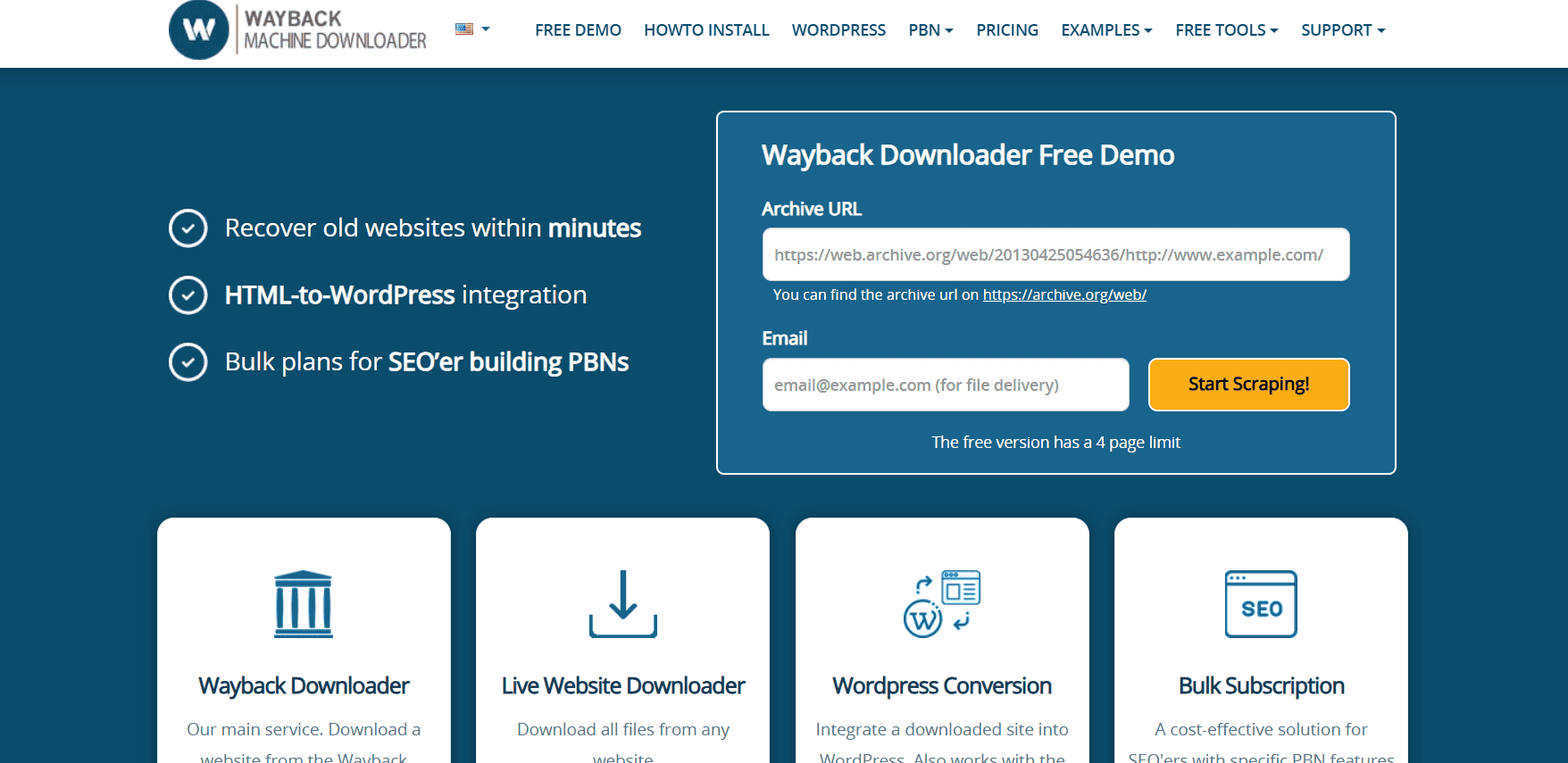
Wayback Downloader is perfect for anyone who wants to bring old websites back to life. It lets you download entire sites directly from the Wayback Machine, including all text, images, and layouts. Whether you’re conducting SEO audits, analyzing competitors, or recovering deleted sites, this tool gives you complete access to archived content. It’s especially useful for tracking how a brand or website has evolved over the years.
2. Perma.cc
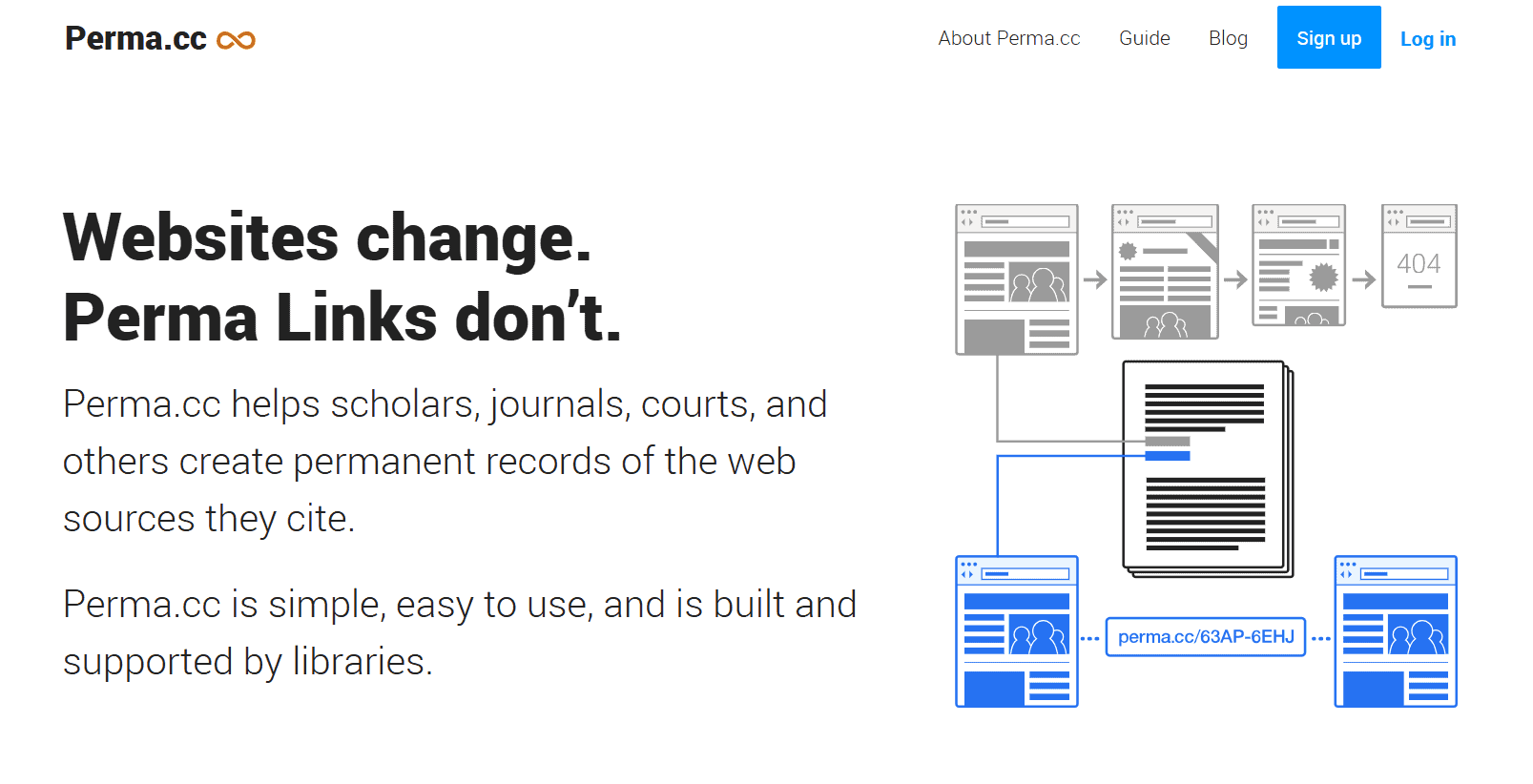
Perma.cc is the go-to tool for researchers and professionals who want their web references to stay permanent. It creates unalterable links to online content, links that remain accessible even if the original page is changed or removed. Commonly used in academic and legal fields, Perma.cc ensures citations never vanish, making your references reliable and future-proof.
3. PageFreezer
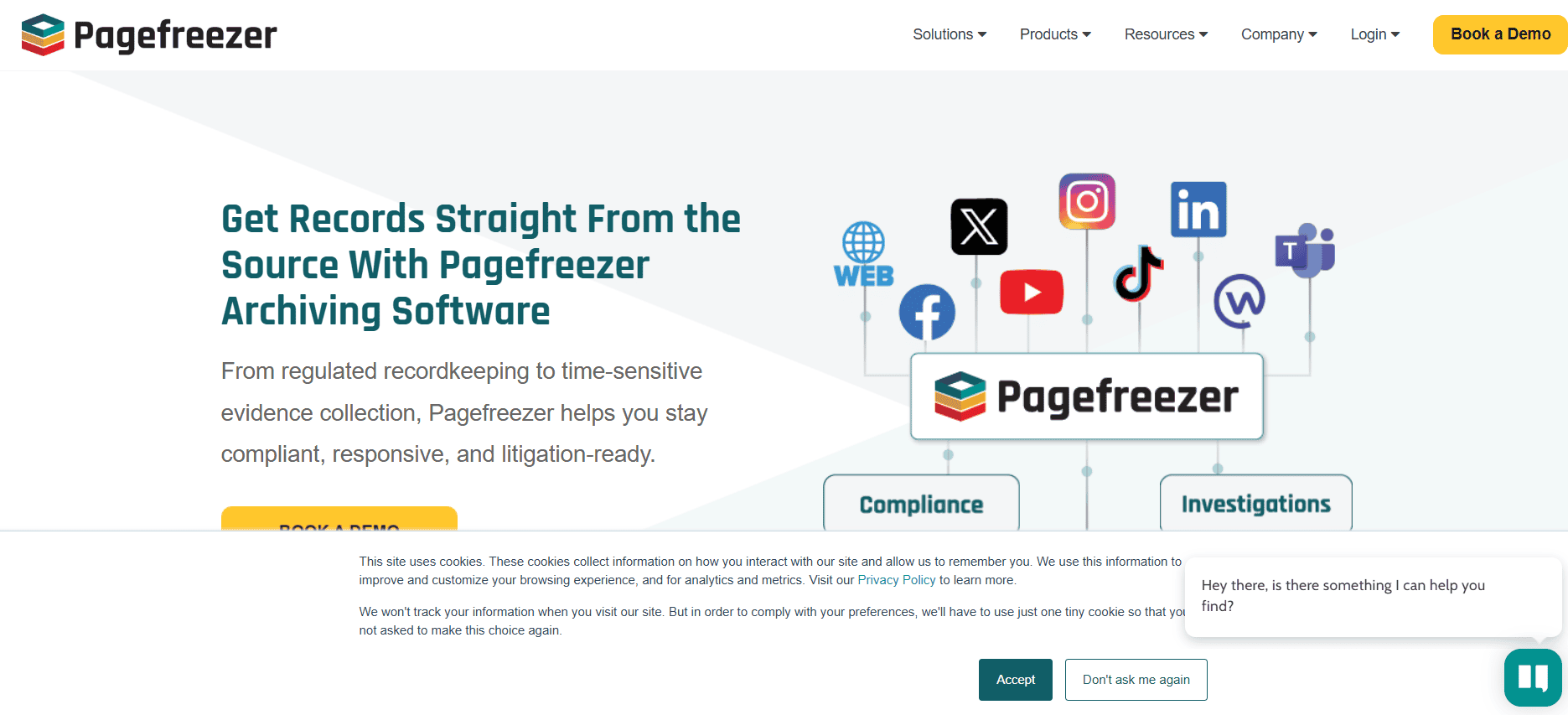
PageFreezer stands out as a robust archiving solution built for businesses and organizations. It automatically captures live web pages, social media posts, and digital content for legal or compliance needs. Once configured, it continuously records data and saves it in searchable archives. This makes it easy to retrieve old versions of pages during audits, reviews, or investigations, making it one of the best Wayback Machine alternatives.
4. Google Cache
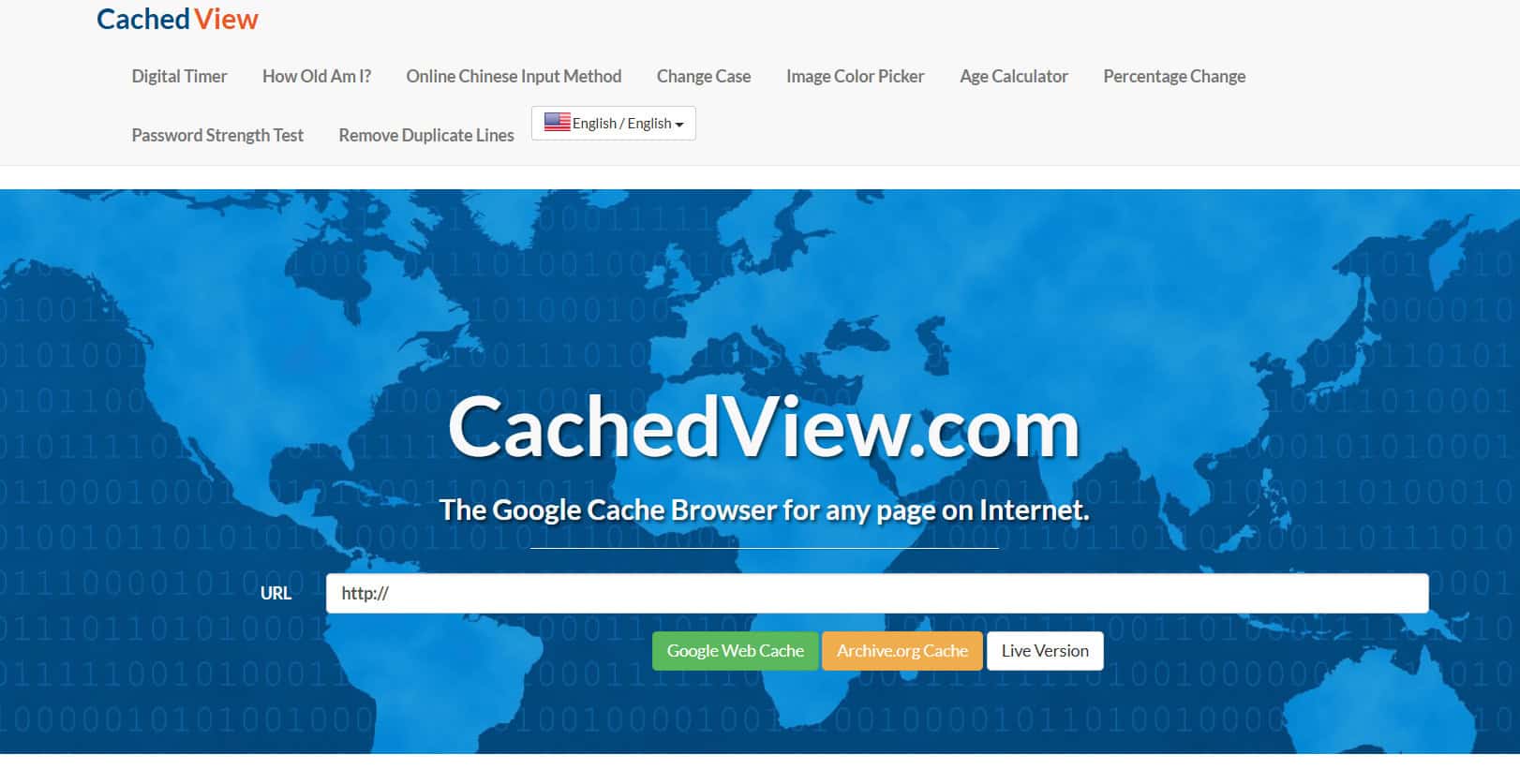
Google Cache is a simple yet powerful way to view how Google last saw a web page. It stores cached snapshots of sites during indexing, which can be accessed directly from search results. This feature is extremely helpful for SEO tasks, letting you check how your content appears to search engines or recover information from recently updated pages.
5. Archive Vault
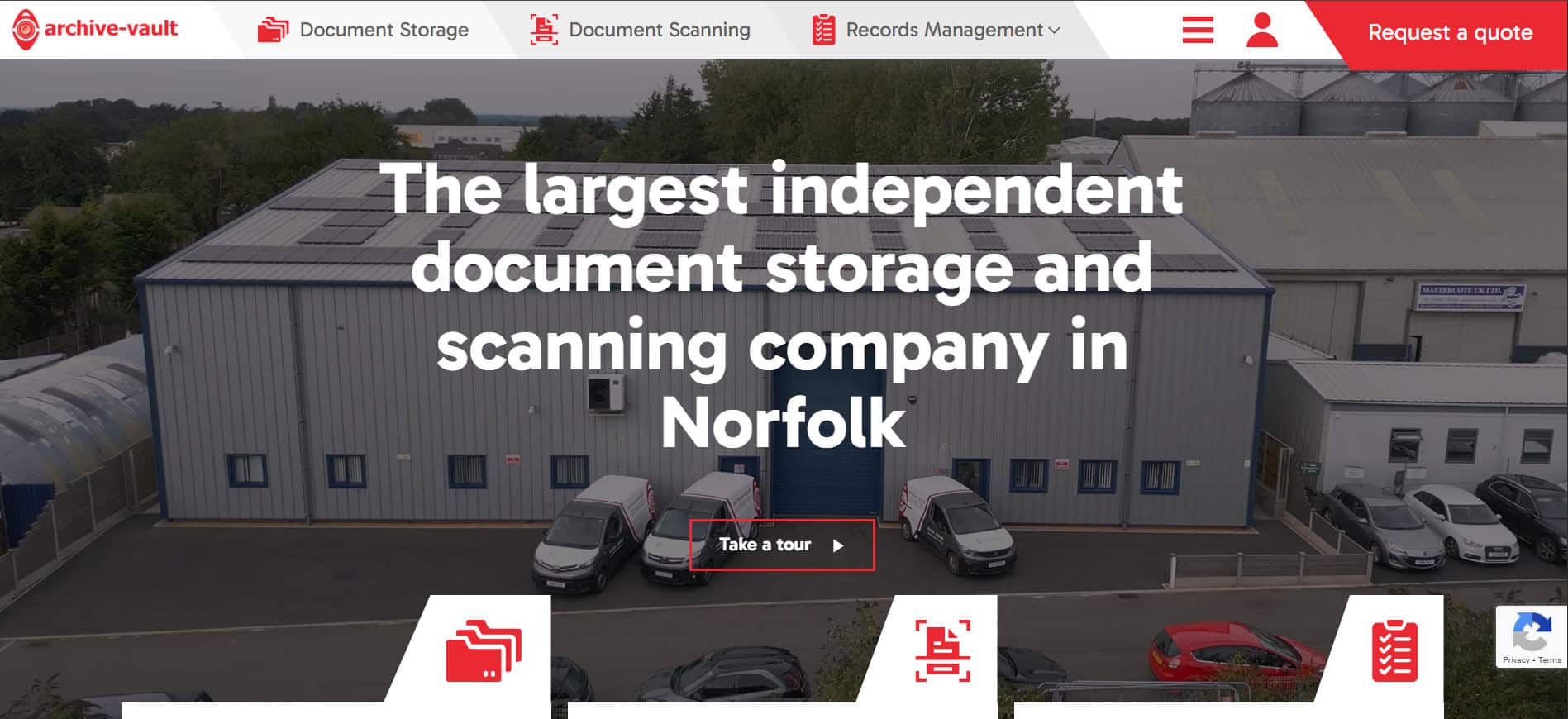
Archive Vault is a premium web archiving service that lets you securely store snapshots of web pages for future access. Just add a URL, and it saves the page exactly as it appeared. It’s designed for professionals who need reliable long-term web storage, allowing them to organize and retrieve archived content anytime. Each snapshot acts as a permanent record, ideal for preserving crucial data.
6. Memento Web
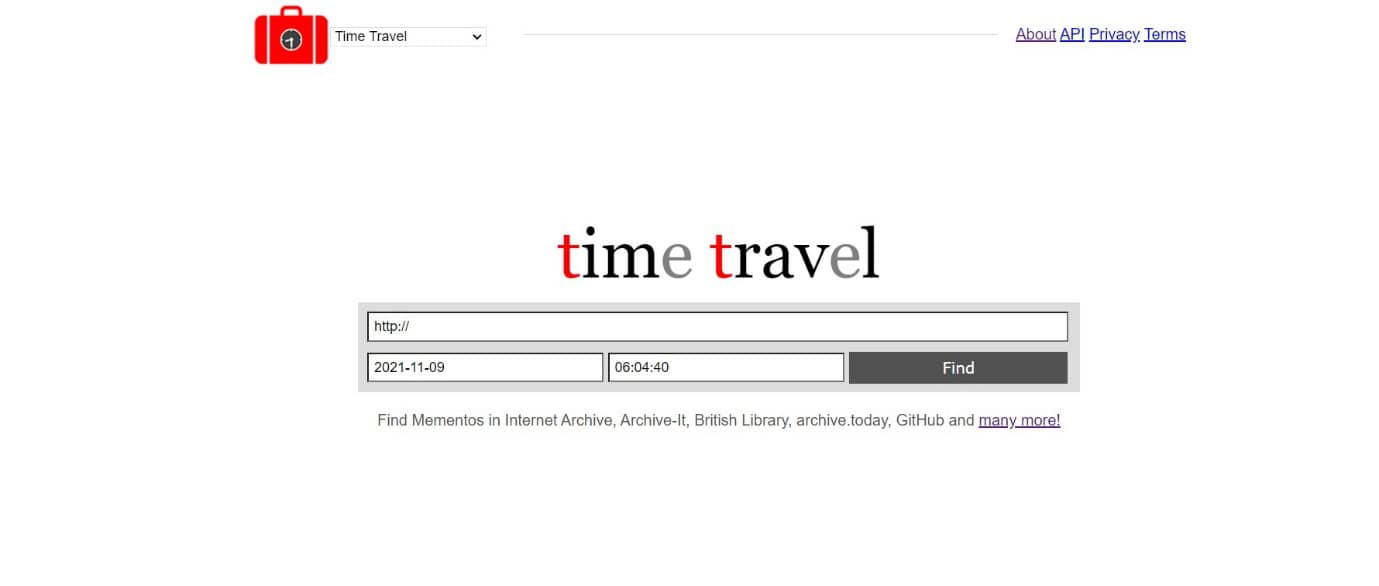
Memento Web lets you travel through a website’s history by viewing archived versions from multiple time periods. It pulls data from several sources, including the Wayback Machine, to show how a site evolved. This tool is ideal for researchers and digital marketers who study design trends or track competitors’ online changes and is one of the best Wayback Machine alternatives.
7. WebCite
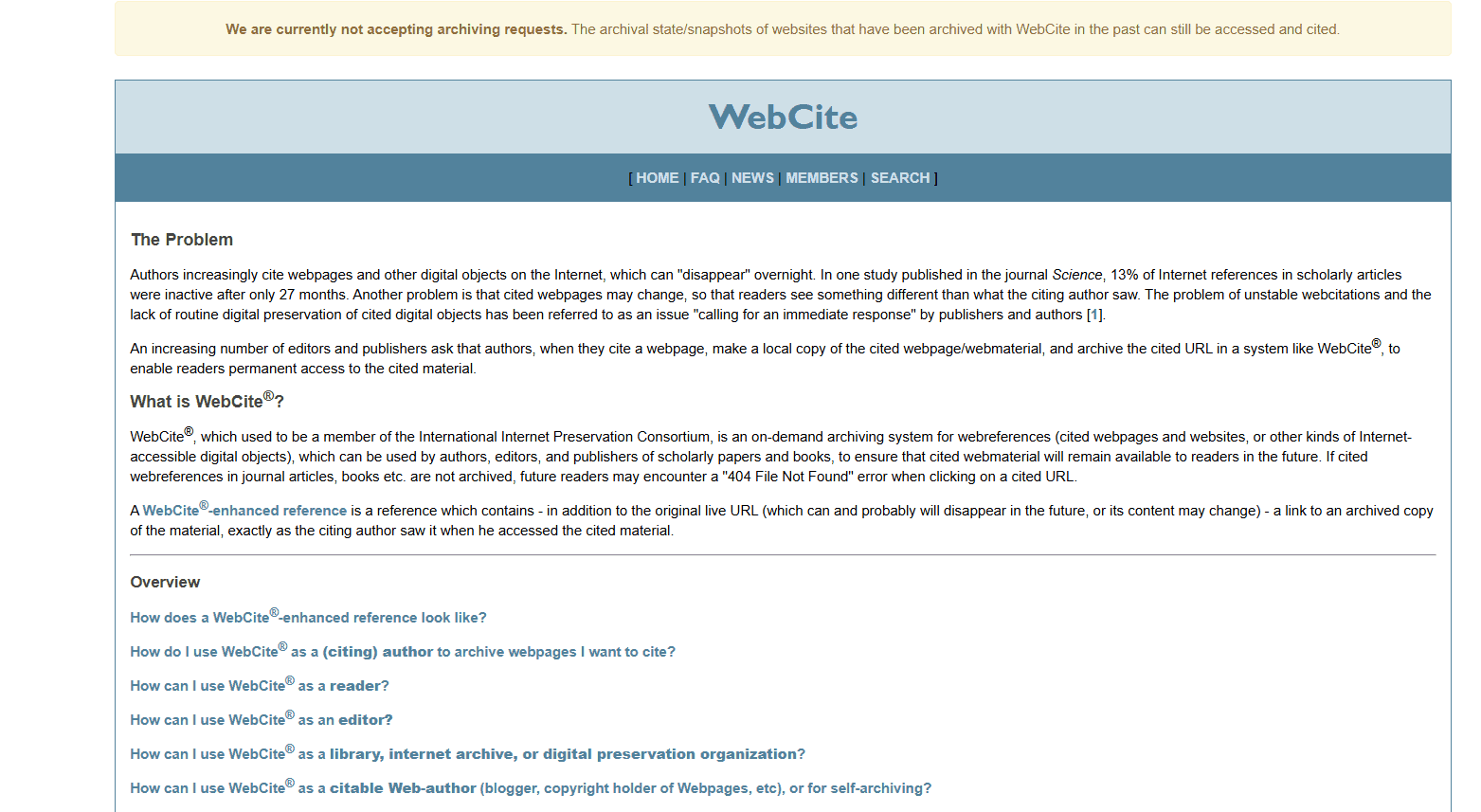
WebCite focuses on archiving academic web pages for permanent access. It allows you to manually or automatically save pages with full content and metadata. Ideal for SEO professionals and researchers alike, it ensures your references never disappear. Once a page is archived, it remains available forever, keeping every source you cite securely preserved.
8. Stillio
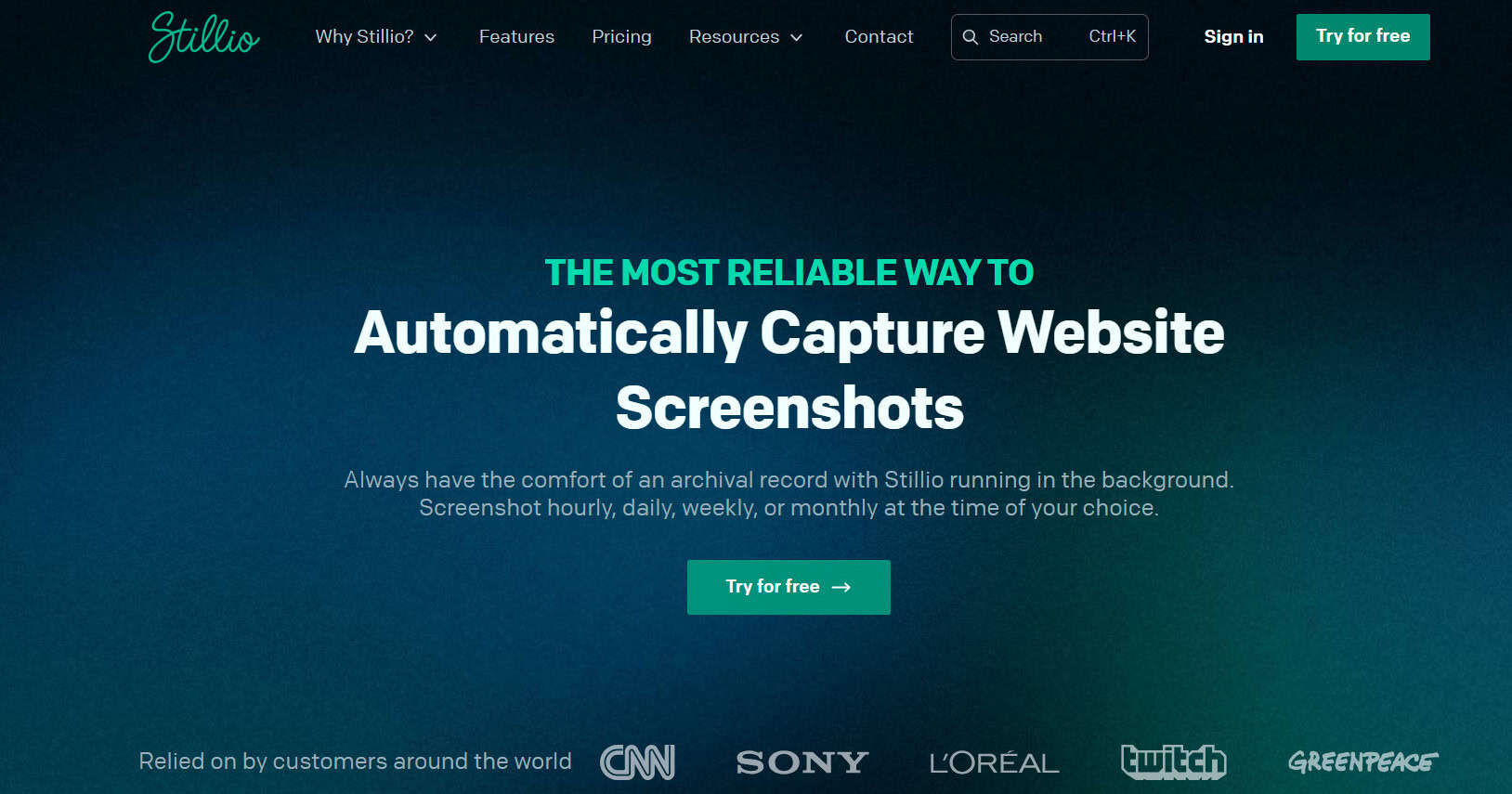
Stillio is a smart automation tool that captures website snapshots at regular intervals—daily, weekly, or even hourly. It’s perfect for marketers and businesses who need to monitor web changes over time. Whether it’s competitor updates, design tweaks, or compliance records, Stillio saves everything automatically. You can even export captures as PDFs for easy sharing and documentation. It’s one of the best hands-free alternatives to the Wayback Machine for ongoing tracking.
9. Internet Archive’s Wayback Machine API
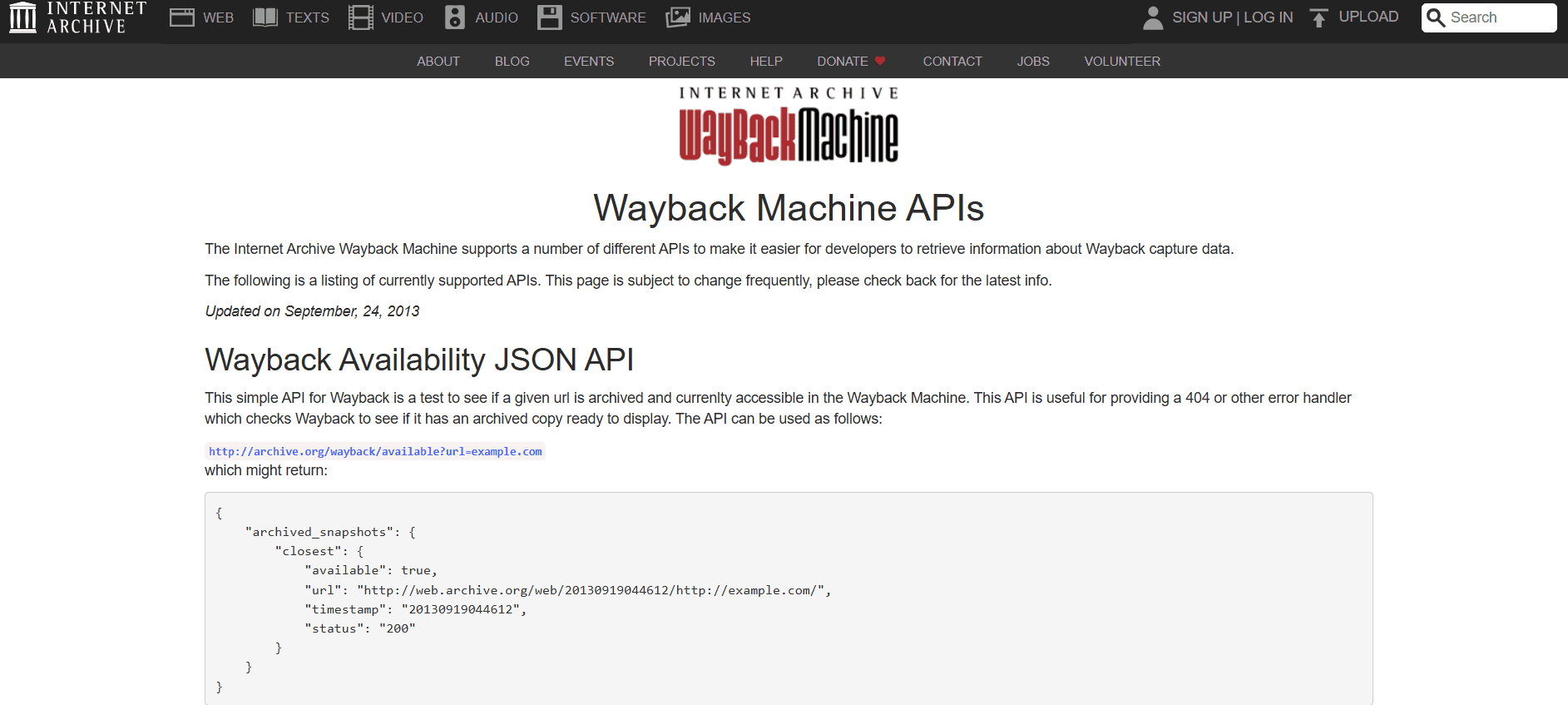
For developers and SEO experts, the Wayback Machine API offers powerful access to archived web data. Instead of manually browsing, users can programmatically retrieve snapshots from the archive. This API can be integrated into SEO tools and analytics platforms, making it ideal for bulk audits and historical content comparisons. It even allows scheduling automatic archiving, useful for large sites that need consistent data preservation.
10. GitHub
While GitHub isn’t a traditional web archiver, it’s become a go-to for developers looking to preserve online content and codebases. By hosting repositories, users can store static copies, documentation, or even entire websites. Its collaborative environment ensures that archived materials remain accessible and organized within open-source projects. Though not a direct Wayback Machine substitute, GitHub offers long-term reliability for preserving technical and creative web materials and is one of the best Wayback Machine alternatives.
11. WhoIs Archive
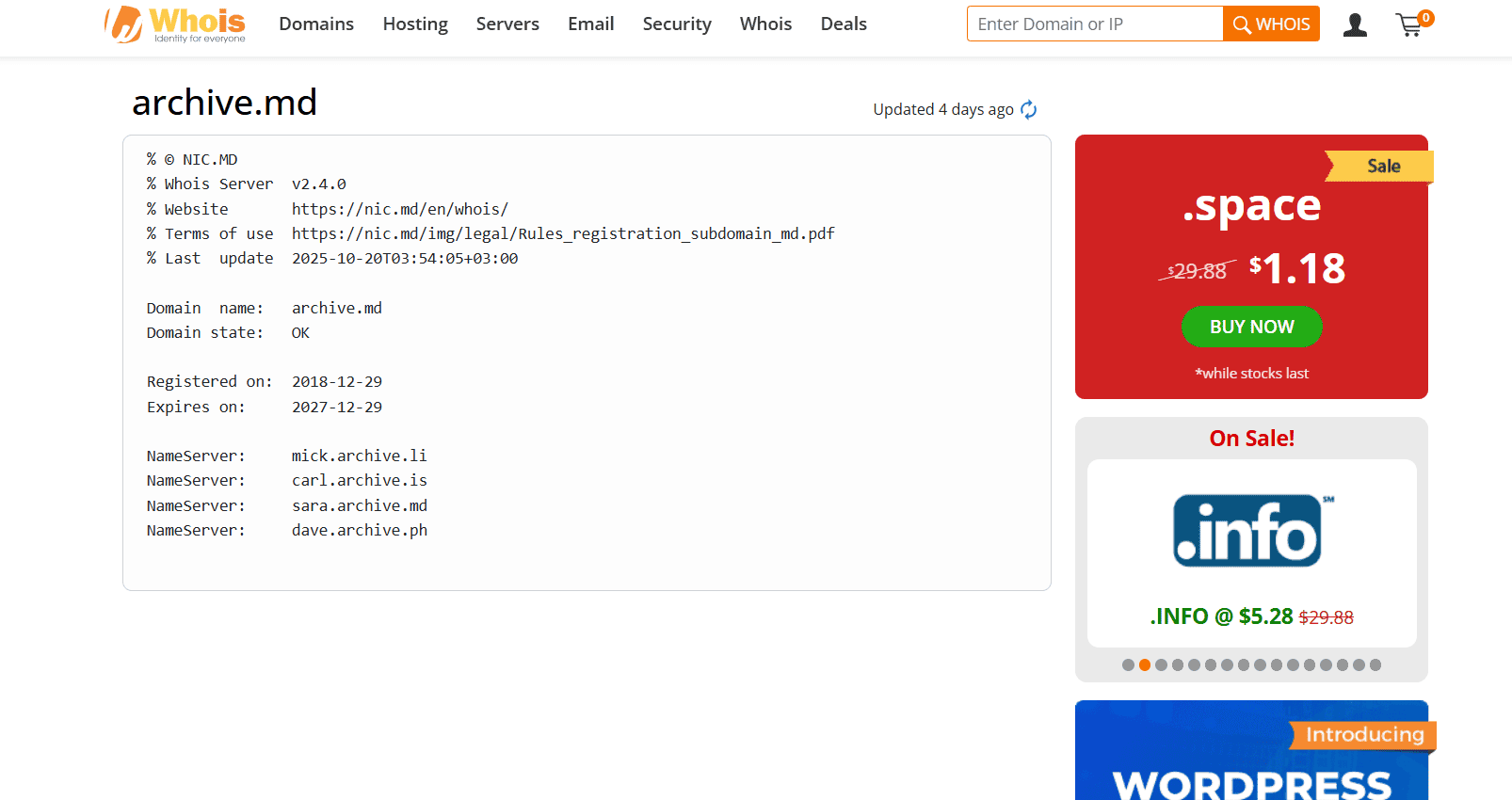
WhoIs Archive gives you a window into a website’s domain history. It stores records of domain ownership, registration dates, and contact information, helping users investigate domain authority and past ownership. This tool is perfect for analyzing expired domains that might still hold SEO value or for verifying who’s behind a specific website. Tracking domain changes over time can reveal trends or ownership shifts critical to digital strategy.
12. ScreenshotMachine.com
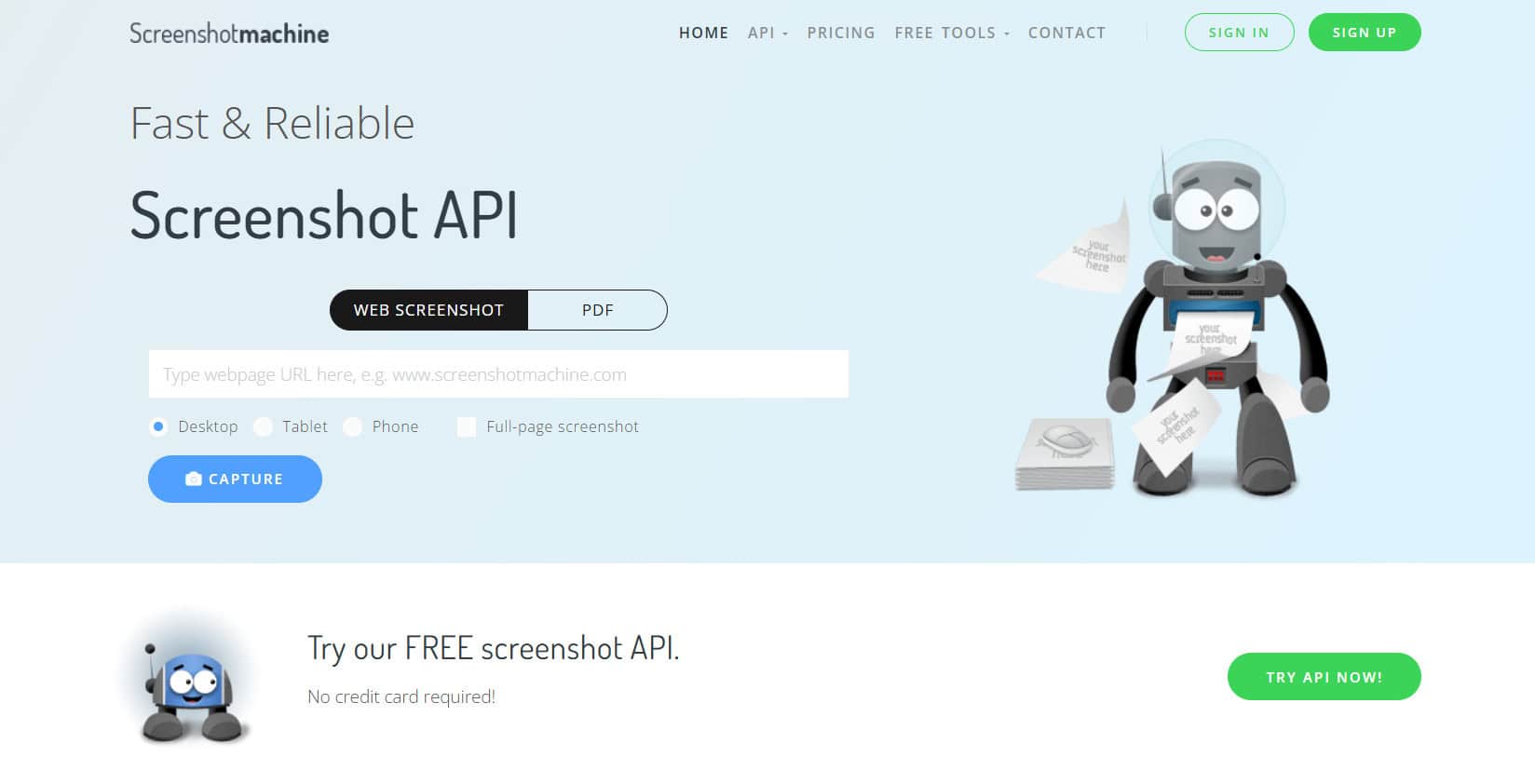
ScreenshotMachine.com focuses on preserving how web pages look rather than how they function. It captures pixel-perfect screenshots at any given moment, making it ideal for tracking design changes or comparing past layouts. There’s no technical setup needed, just enter the URL, capture, and save. These visuals can help you analyze user experience evolution or design impacts on SEO performance over time.
13. Resurrect Pages
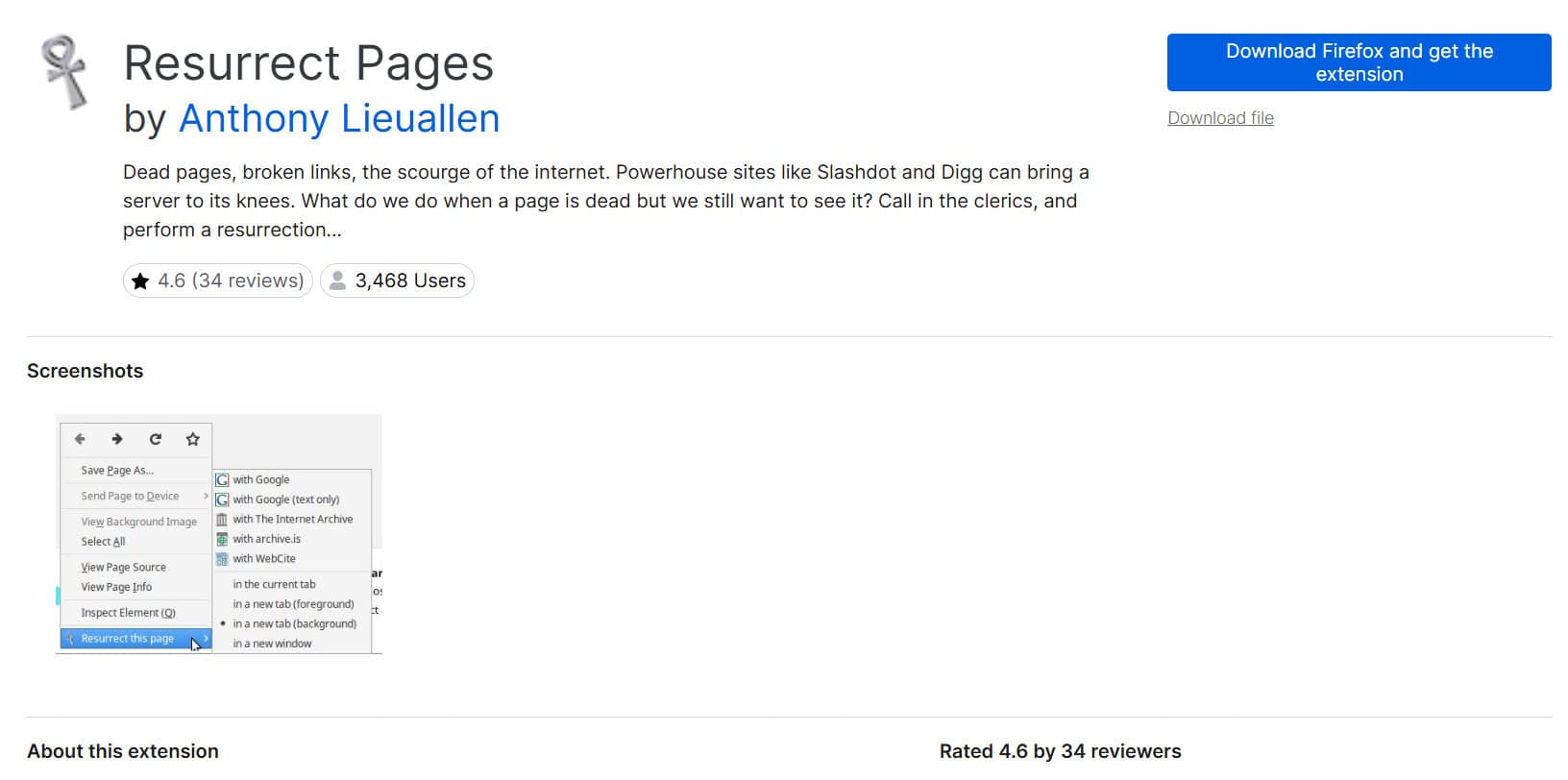
Resurrect Pages is a handy browser extension for quickly retrieving deleted or unavailable web content. When a page fails to load, this tool fetches archived versions from sources like the Wayback Machine or Archive.today. Instead of searching multiple archives manually, you can right-click and instantly restore a snapshot. Researchers and digital marketers often use it to recover data or reference vanished web pages, making it one of the best Wayback Machine alternatives.
14. The Library of Congress Web Archives
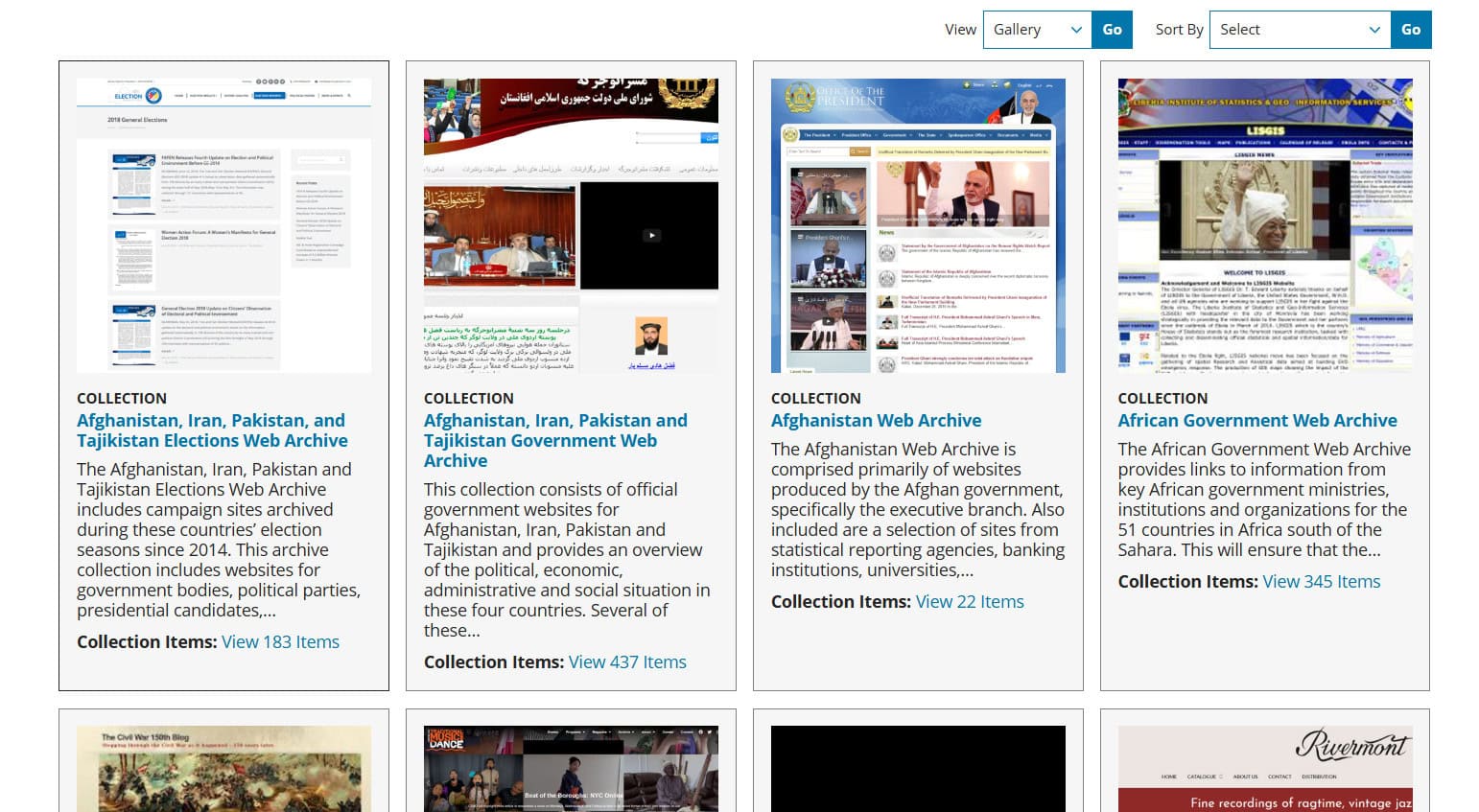
The Library of Congress Web Archives stands out for its focus on preserving U.S. history and cultural heritage online. It selectively captures web content related to politics, public policy, and major events. Researchers and historians rely on it to explore how digital records document national narratives. Unlike broader archives, this one prioritizes historical relevance, a true digital time capsule for American culture and society.
Also Read: 30+ Best Browser Games to Play in 2025
Now you will no longer have a difficult time figuring out the best Wayback Machine alternatives after following this guide. For more helpful tips and tricks, stay tuned, and feel free to share your suggestions in the comments below.