When you hear about a platform for publishing newsletters, Substack is what comes to mind. Bloggers, podcasters, comic book artists, and writers create digital newsletters for their subscribers and make money with a monthly membership. But just like any other software, it also comes with some downsides. Users often complain about high payment fees and limited SEO. That’s why knowing the best Substack alternatives can be a lifesaver. So, let’s get started!

14 Best Substack Alternatives 2026
Why wait when you can get a wider range of features from other platforms?
1. Podia
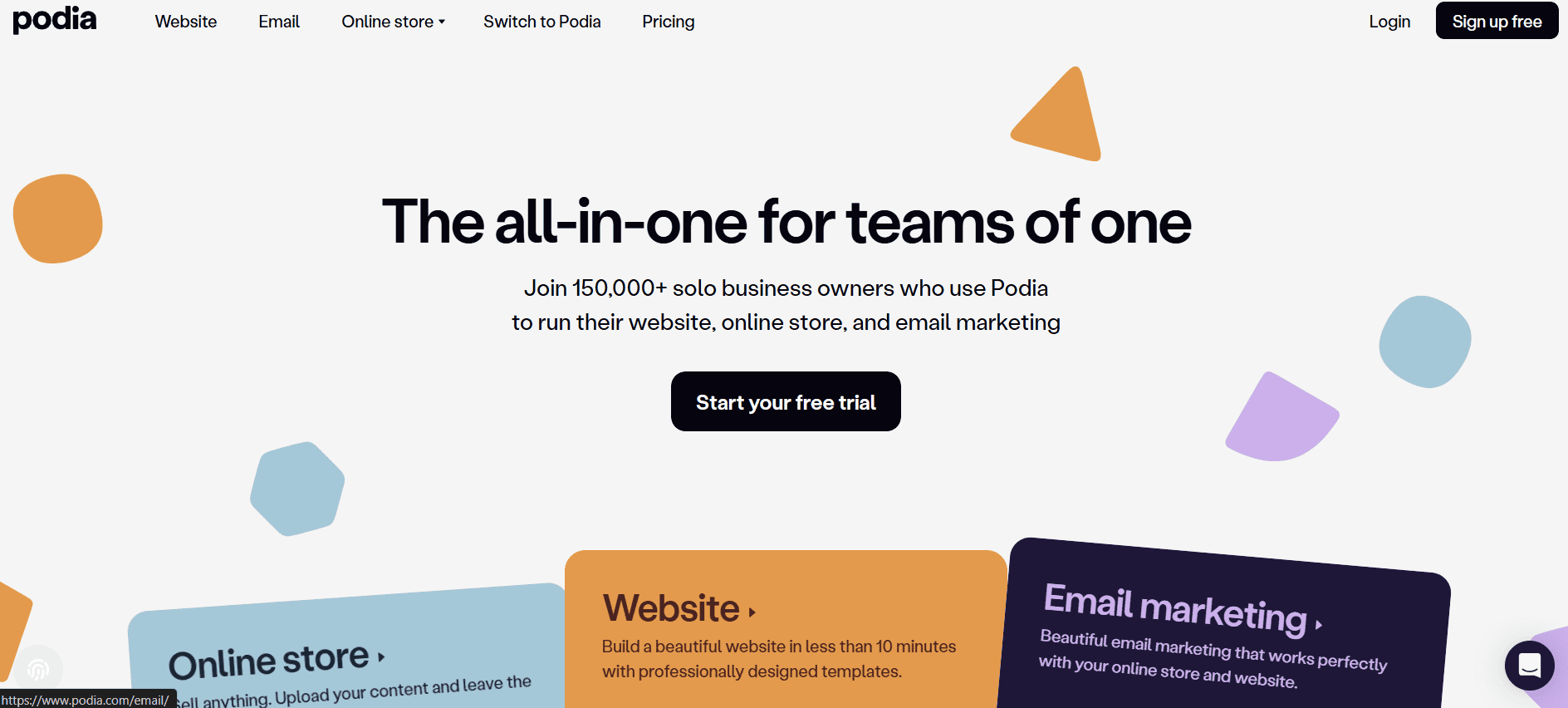
Podia is like your all-in-one online platform for selling courses, memberships, and downloads. You can brand your service very easily, but it’s less about writing newsletters and more about selling. This is because it is designed to give users a simple way they promote products with broadcasts and see how their audience responds.
Features:
- Sell courses, coaching, digital goods, and memberships
- Email marketing with segmentation and automation
- Landing pages and storefront builder
- Live webinars and events
- Integrations with Stripe, Zoom, and Calendly
Pros:
- Combines sales and marketing in one place
- Good for managing memberships and products
- Clean, brand-friendly interface
Cons:
- Limited free plan with only one product
- Not great for frequent newsletter publishing
- No organic audience growth tools
Pricing: Mover $39/month (plus 5% fees); Shaker $89/month.
2. Beehiiv

Beehiiv is great for newsletter creators who want to grow their audience and make money with ads. The referral program helps you bring in subscribers fast. Their feature called Boosts ad network lets other newsletter writers promote inside yours, which is another way to get more revenue without extra selling. But remember that analytics are clear but focused only on email stats, so you won’t see what happens beyond the inbox.
Features:
- Referral program to grow your list
- Ad network for monetization without selling your space
- Custom themes and branding options
- Newsletter performance tracking
Pros:
- Helpful for fast audience growth
- Earn with ads without direct selling
- Simple user interface
Cons:
- Risk of low-quality subscribers
- Limited control over ad content
- No insights outside email stats
Pricing: Launch $0; Scale $49/month; Max $109/month; Enterprise custom.
3. Buttondown
Buttondown is a simple and no-fuss newsletter platform designed to help you write, send, and grow your email list. It also lets users embed tweets and images with Markdown support. One perk is that it doesn’t take any cut from your earnings, and you can run multiple newsletters under one account. It keeps track of open and retention rates and even connects with popular tools like Zapier.
Features:
- Editor with Markdown for quick writing
- Automatic check of typos, broken links, and images
- Run multiple newsletters from one account
- Stripe integration for payment handling
- Analytics on a retention basis and open rates
Pros:
- Simple newsletter tool
- No revenue share fees
- Good integrations with other apps
Cons:
- Pricing increases with subscriber count
- Lacks advanced customization
- Might feel basic for more needs
Pricing: Free start; $5/month per 1,000 subscribers; Pro plans available; 30-day money guarantee.
4. Wattpad
If you were always into reading and writing, you know how big Wattpad is. A story lover’s paradise where millions of readers and writers connect. It’s perfect if you want to share original stories and build a real community around your work. Their partnerships with the entertainment industry can even help your story reach TV or film! Writers also get integrations with apps like Canva. Plus, if you go premium, you get ad-free reading and offline access, making it one of the best Substack alternatives.
Features:
- Huge global community for reading and writing
- Writing tools to improve your storytelling
- Industry connections to get published or produced
- Premium offers unlimited offline reading and no ads
Pros:
- Make a loyal and diverse audience
- Great support for long-form storytelling
- Opportunities to publish beyond the platform
Cons:
- Focuses more on creative writing than newsletters
- Monetization options limited compared to others
- Premium cost for ad-free and extra features
Pricing: Free with ads; Premium available.
5. GroupApp
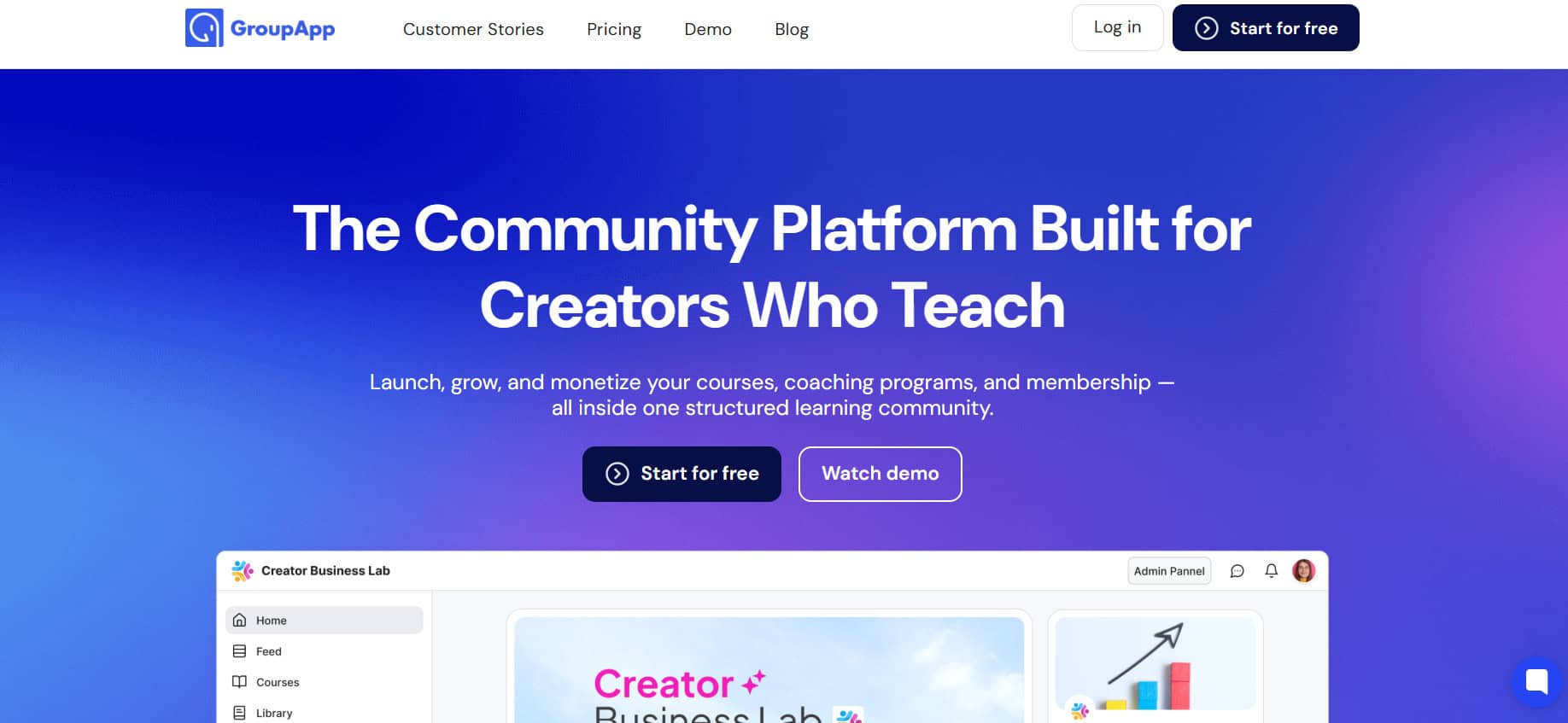
GroupApp is more than a newsletter tool. It helps you build communities and sell courses all in one place. You can broadcast email updates easily and keep your members engaged with digest emails. It’s a public favorite since you get full control over your content and branding without platform cuts. The downside is that it doesn’t support live streaming or gamification yet.
Features:
- Built-in community features with email
- Email broadcasts and automatic digests
- Course and content selling with checkout
- Interface customizable
- iOS and Android apps for access anywhere
Pros:
- Combines email, courses, and community
- No platform fee on transactions
- Full control over branding and content
Cons:
- No live streaming options yet
- Lacks gamification to boost engagement
- Doesn’t support multiple languages
Pricing: Starter $49/month; Pro $109/month; Business $259/month.
6. ConvertKit (Now Kit)
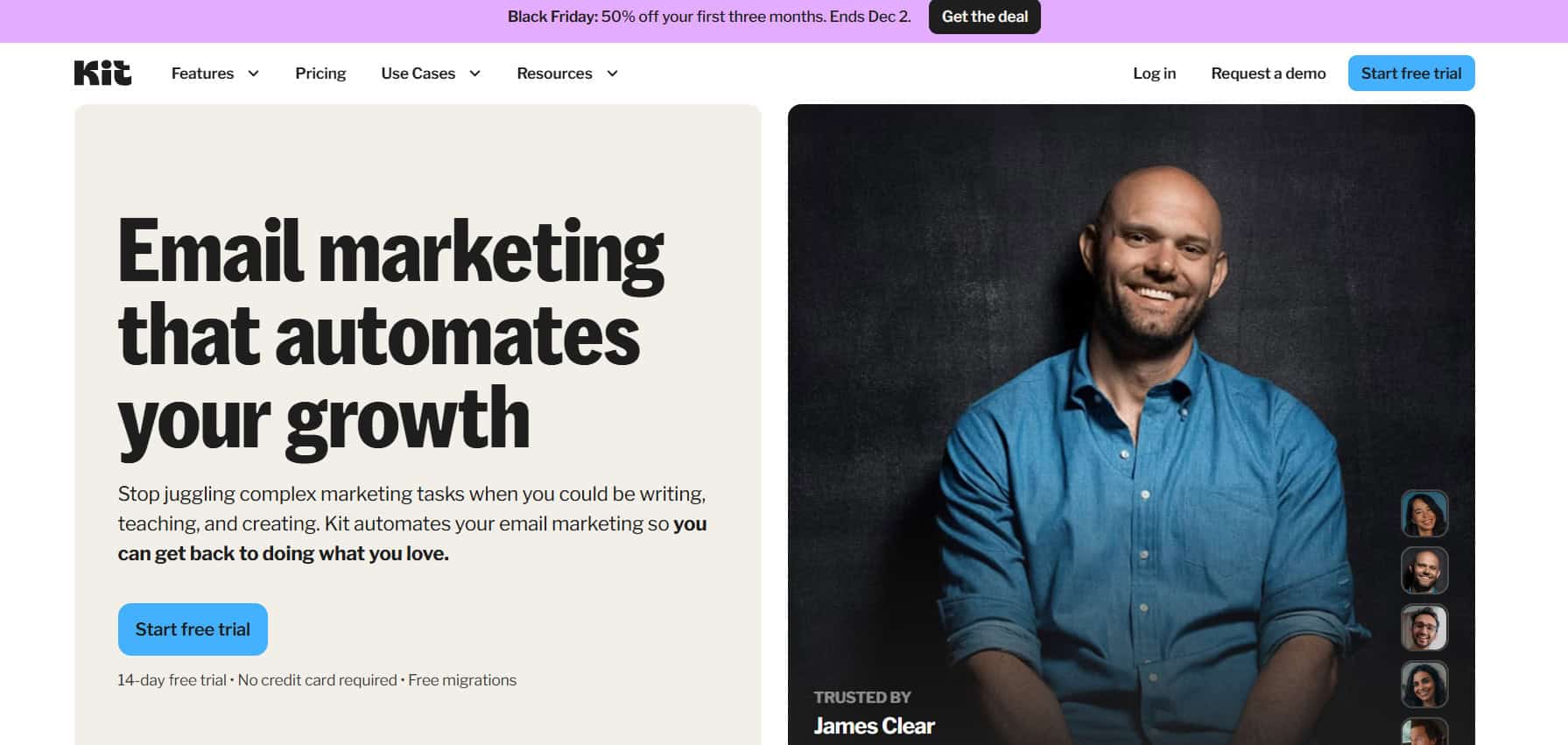
ConvertKit, now Kit, is another of the best Substack alternatives that puts email first. It helps creators have audiences with visual automation. This means it sends targeted sequences based on their behavior so you get better reach. You can also create signup forms and sell digital products, great for newsletter-led businesses. But if you want everything under one roof, you’ll need external tools for blogging or communities.
Features:
- Drag-and-drop work
- Subscriber tagging based on actions and purchases
- Custom landing pages and signup forms
- Digital product selling
- Broadcast and sequence emails
Pros:
- Good email marketing features
- Flexible audience segmentation
- Great for digital product sales
Cons:
- Limited blogging and community features
- Needs third-party integrations for full site features
- Some technical setup required
Pricing: Free newsletter plan; Creator $29/month; Creator Pro $59/month; Enterprise custom.
7. Ghost
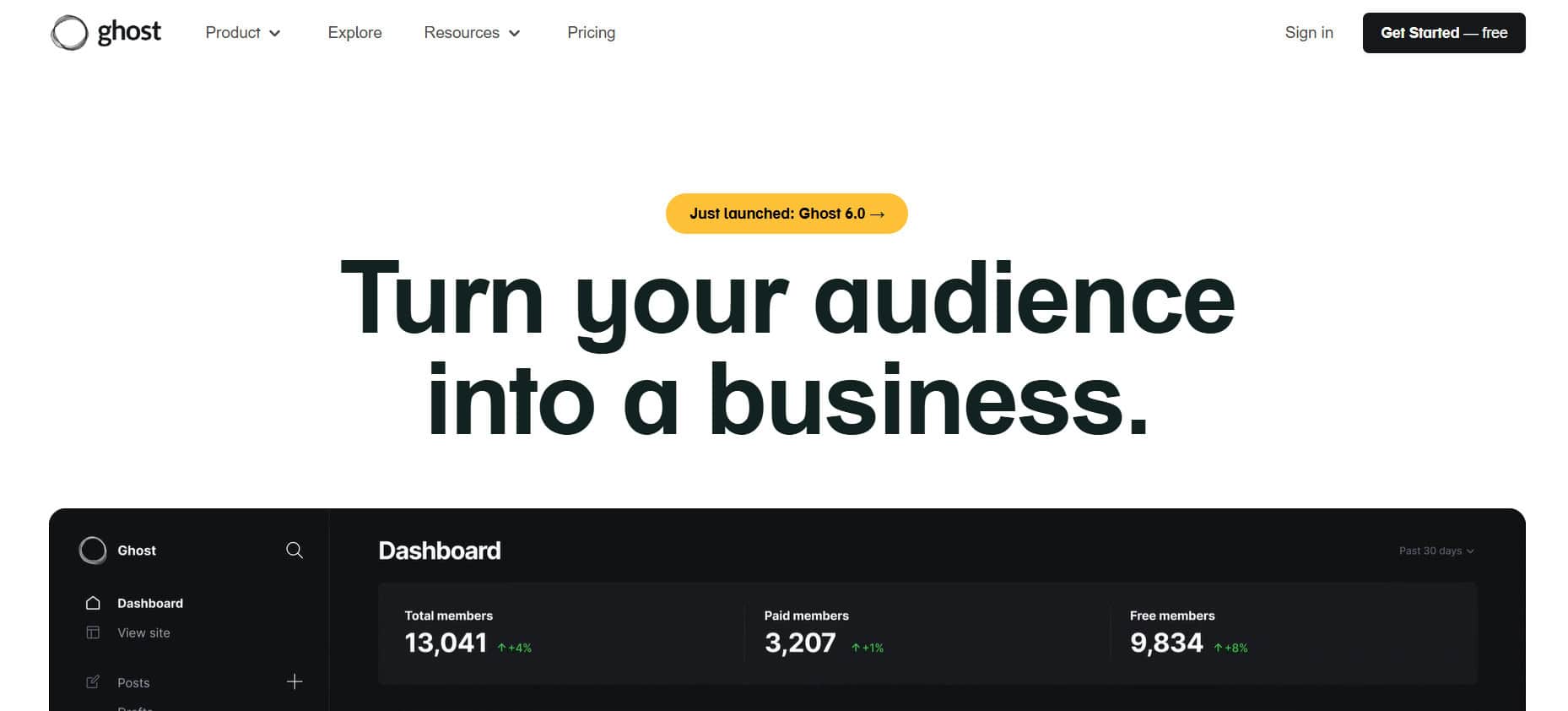
Ghost is for creators who want total control over their newsletter, website, and memberships. It’s open source with full branding flexibility and lets you keep 100% of your subscription revenue. This makes it one of the best Substack alternatives. While powerful, it needs some technical know-how or managed hosting. It lacks built-in social features or mobile apps, so you can expect to add more tools for interacting with your audience.
Features:
- Full website with newsletter and membership options
- Sell premium content with no platform fees
- Open-source with customizable themes
- SEO optimized and fast-loading
- Markdown-based writing and optional self-hosting
Pros:
- You keep all your revenue
- Full control over content and design
- Great for serious creators
Cons:
- Can be complex for beginners
- No built-in community or mobile app
- Pricing increases with audience growth
Pricing: Starter $11/month; Creator $31/month; Team $63/month; Business $249/month.
8. MailerLite
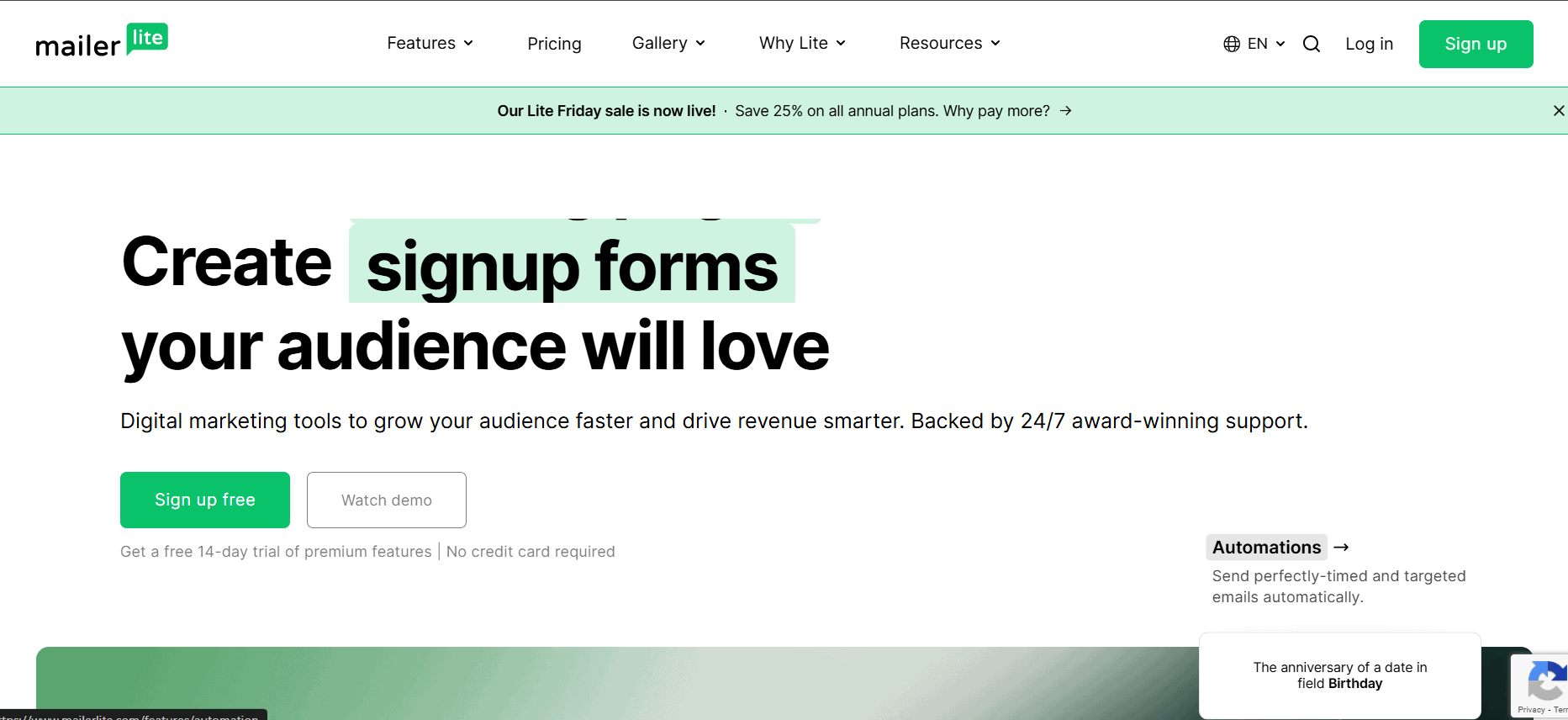
MailerLite is a great upgrade from basic tools for those who want to design emails their way and sell digital products with Stripe integration. It offers a simple drag-and-drop editor with you can use when making your landing page. The free plan is good if you’re starting out, but likely too limited if your audience grows fast.
Features:
- Easy drag-and-drop email builder
- Automated email sequences and tagging
- Landing page and simple website builder
- Stripe integration for sales
- Subscriber segmentation and basic reporting
Pros:
- Intuitive and beginner-friendly
- Good for growing businesses
- Affordable pricing plans
Cons:
- No deep publishing or blog features
- Lacks community tools
- Free plan offers limited automations and domains
Pricing: Free; Growing Business $10/month; Advanced $20/month; Enterprise custom.
10. Mailchimp
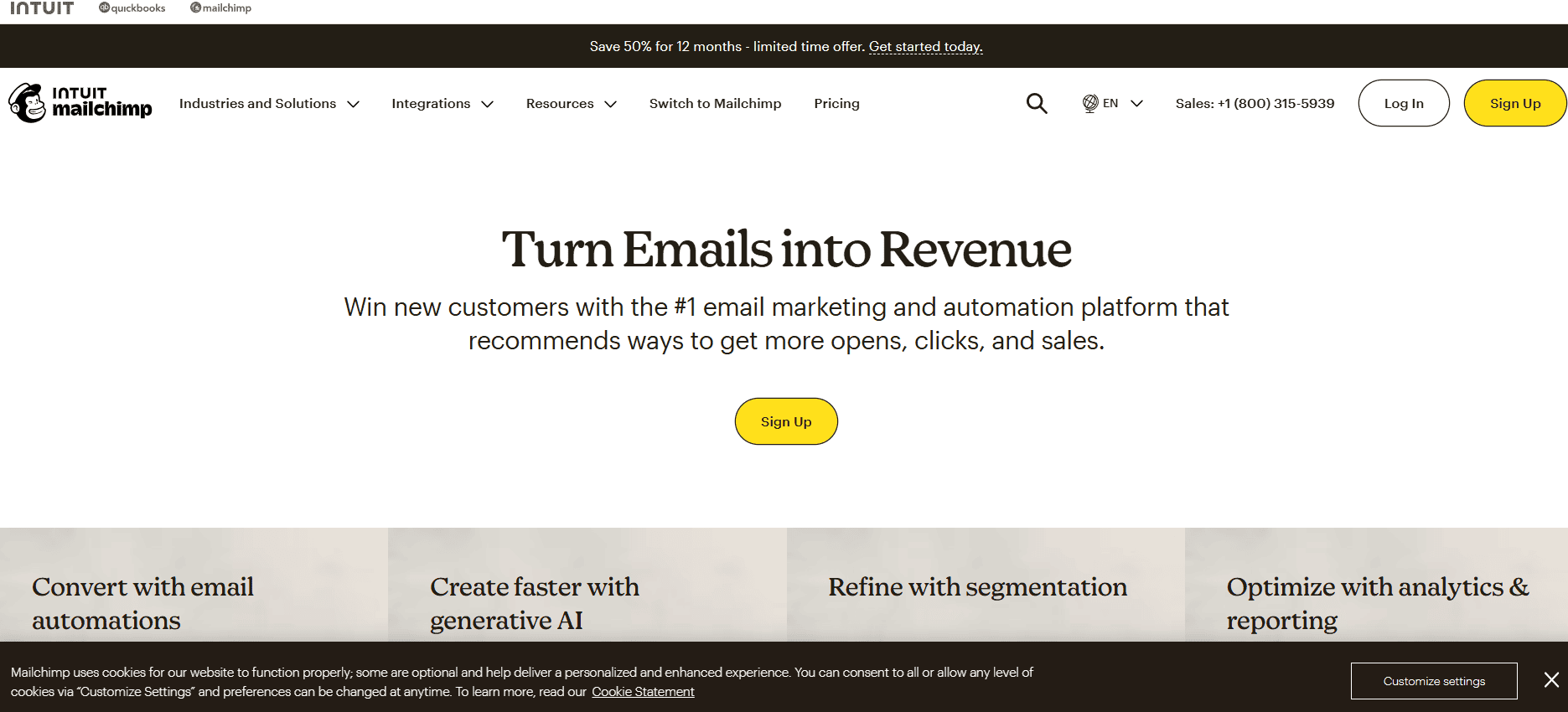
Mailchimp is one of the oldest and biggest names in email marketing. It’s great if you want serious automation and targeting, something Substack doesn’t offer. You get easy list segmentation, behavior-based targeting, A/B testing, and a drag-and-drop email builder that gives you full design control. Sounds amazing, doesn’t it? They also let you brand your landing pages and forms, and you can start charging for newsletters inside the platform.
Features:
- Drag-and-drop email builder with A/B testing
- Audience segmentation and behavioral targeting
- Automation flows for onboarding, sales, and engagement
- Build customized landing pages and pop-up forms
- E-commerce integration and paid newsletter options
Pros:
- Powerful tools for marketers
- Integrates well with other apps
- Good customer support and tutorials
Cons:
- Interface isn’t the easiest for beginners
- Pricing jumps quickly as your list grows
- No built-in social features or community
Pricing: Free plan; Essentials $13/month; Standard $20/month; Premium $350/month.
11. Revue
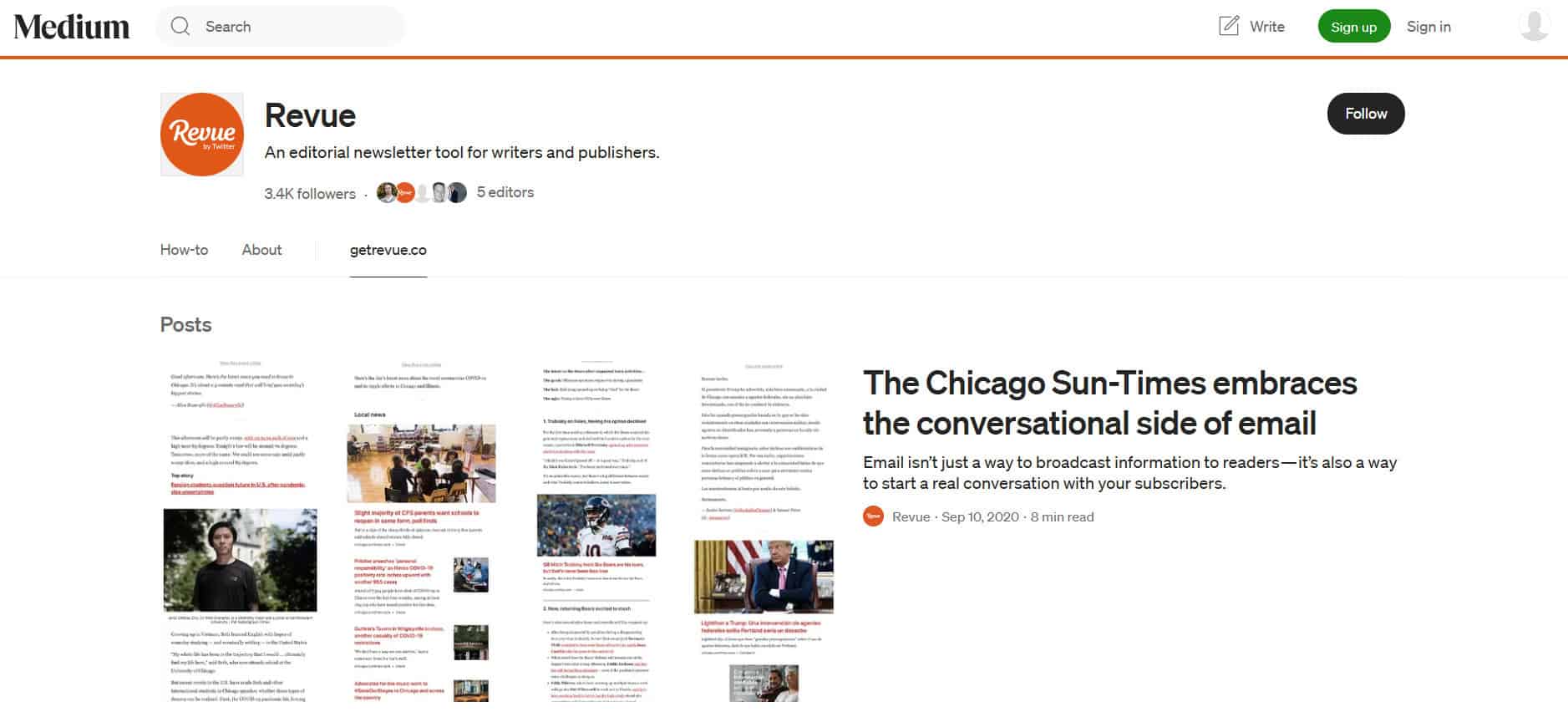
Revue makes newsletter creation and monetization super simple, coming up eleventh in the best Substack alternatives. If you are on Twitter, you will appreciate how you can grow your audience by importing followers and sharing directly from Tweets. You can manage your subscribers easily and use browser extensions to add content from anywhere online. The platform takes a small cut from your paid newsletter earnings, but the free version gives good features like scheduling and analytics.
Features:
- Import, update, and manage subscriber lists
- Referral program for quick audience growth
- Browser extensions to easily add content
- Scheduling and social sharing tools
- Custom domain support
Pros:
- Free plan is generous and easy to use
- Good analytics on engagement and traffic
- Strong support when you need help
Cons:
- 5% revenue fee plus payment processing costs
- Limited control over referral audience quality
- No broad engagement data beyond email
Pricing: Free; 5% commission on paid newsletters plus transaction fees.
12. Mighty Networks
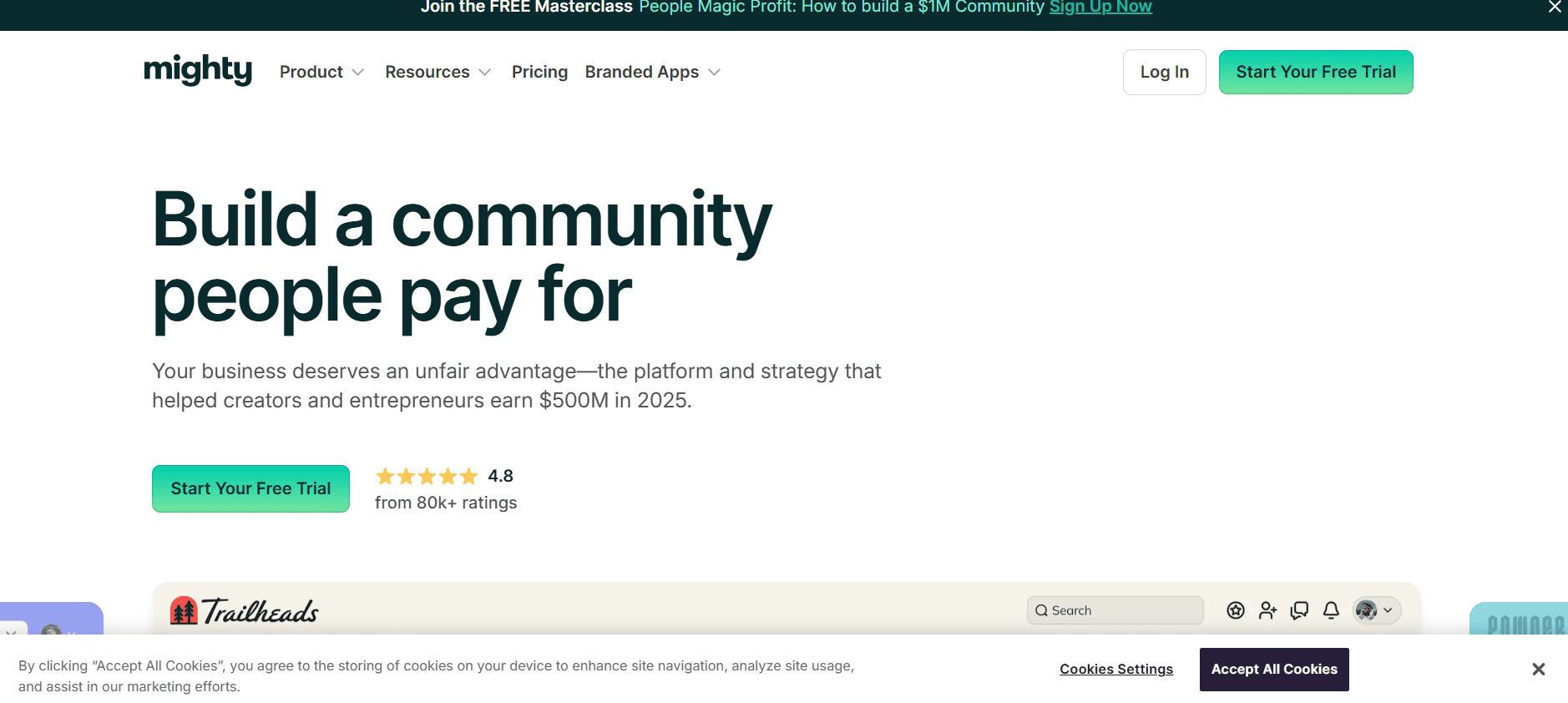
Mighty Networks uses community, content, and monetization, all in one platform. You can run memberships, courses, events, and newsletters on iOS, Android, and the web. It also supports referrals and transfer from other communities. The great part is that revenue options include paid courses, bundles, events, and memberships in 100+ currencies. There’s no member cap, so your community can grow freely!
Features:
- Host communities with members, courses, and events
- Referral links and QR codes to grow your audience
- Offer free trials, one-time fees, or subscriptions
- Supports payments in multiple currencies
- Your data stays in your control
Pros:
- Powerful for engagement and monetization
- Flexible revenue models
- Unlimited community size
Cons:
- Setup takes time to learn
- Lacks built-in newsletter-specific features
- Can feel complex for small creators
Pricing: Custom pricing based on needs.
13. Vocal Media
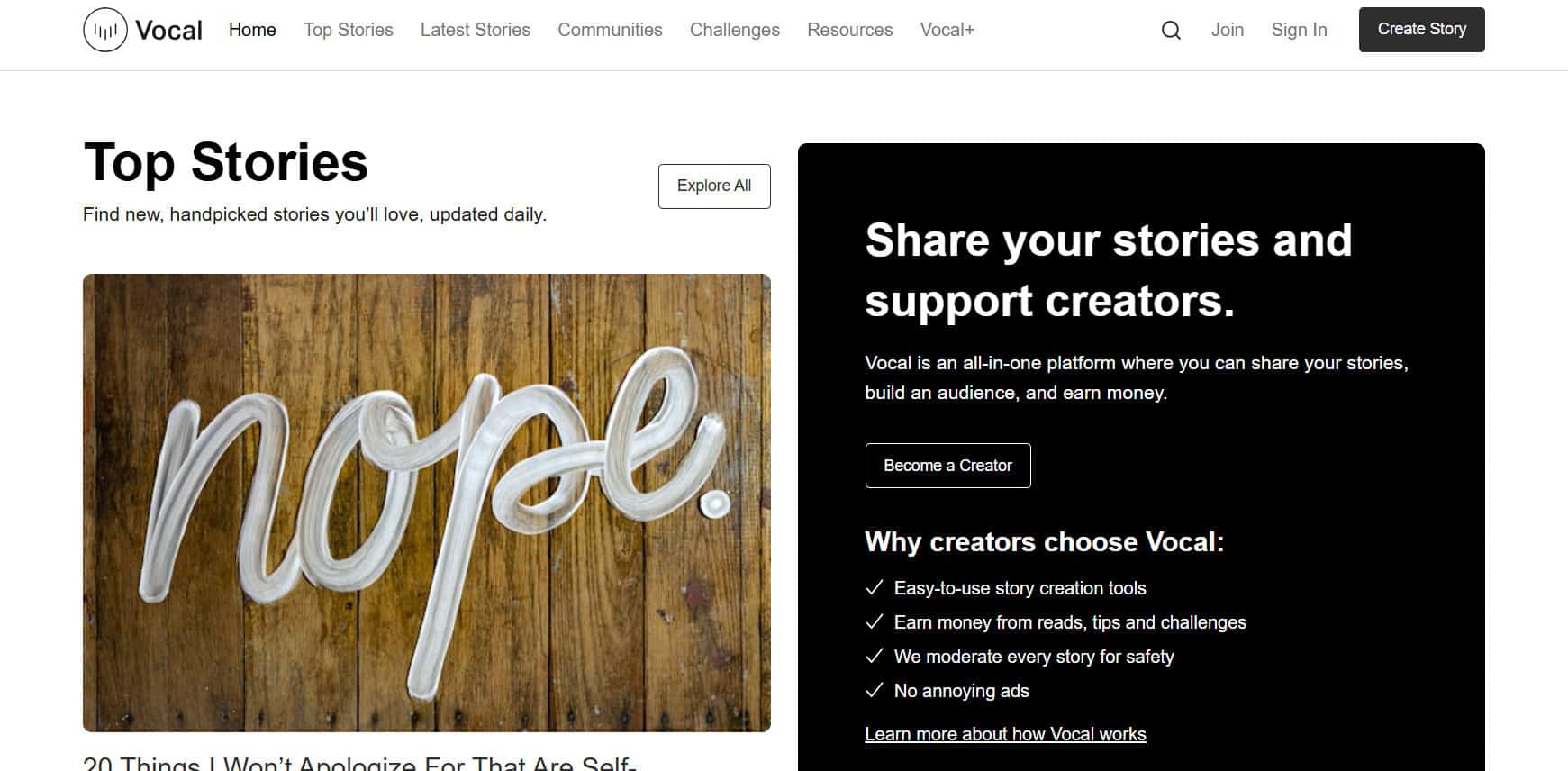
Vocal is a simple storytelling platform where you can share your passion projects and get rewarded. It welcomes creators of all ages and helps your stories reach readers from their social channels. Unlike Substack, you earn money from engagement and fan tips without charging subscriptions. You get to keep all rights to your writing, fast publication time, and helpful editorial feedback, making it one of the best Substack alternatives.
Features:
- Add photos, videos, and music to your stories
- Monetize with tips and read-based payments
- Quick publishing turnaround and editing privileges
- Available worldwide for anyone over 13
- Community guidelines ensure quality content
Pros:
- Easy to publish and engage readers
- Different monetization avenues than Substack
- Great for multimedia-enriched stories
Cons:
- Focused on stories, not newsletters
- Limited community features
- Premium membership needed for advanced monetization
Pricing: Free; Vocal+ membership for advanced features available.
14. Moosend
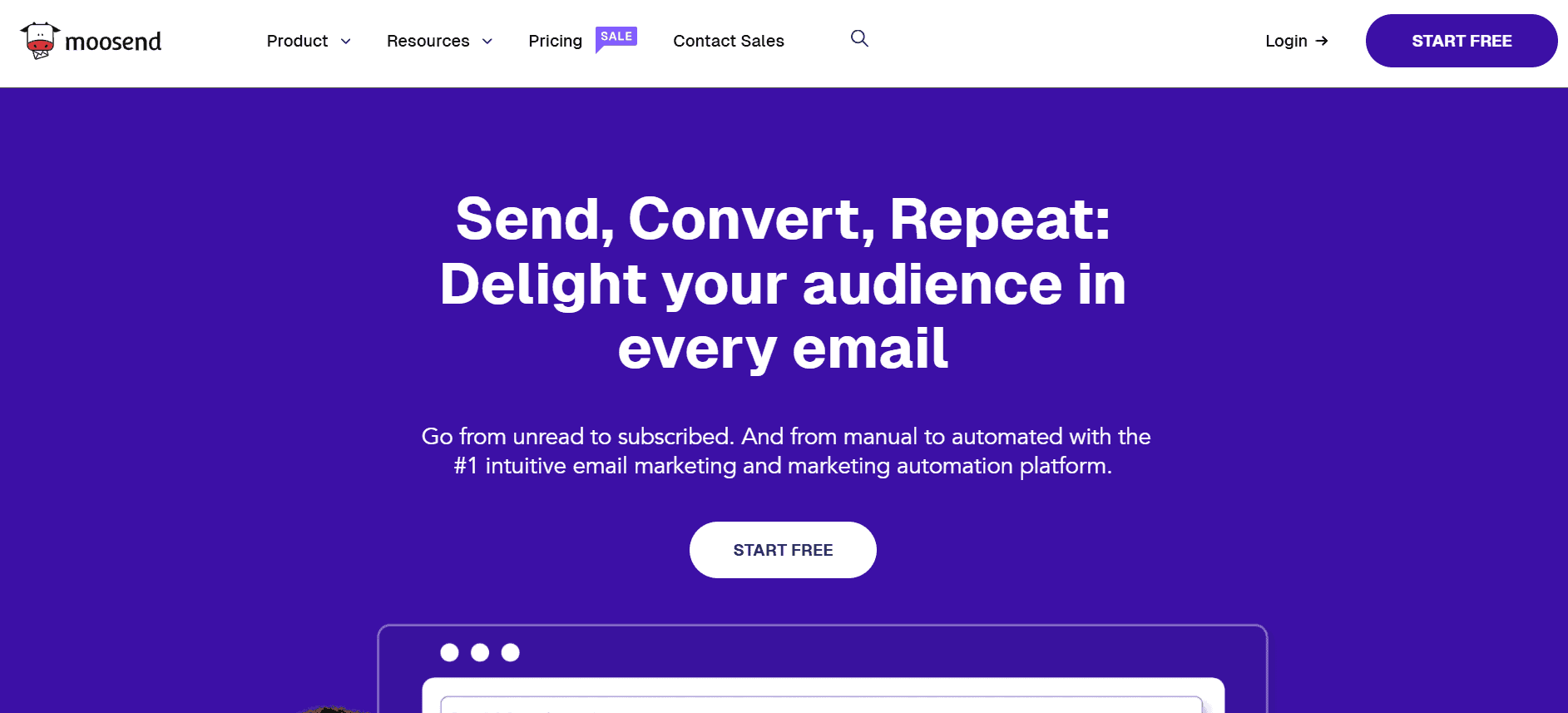
Moosend is an affordable way to get started with email marketing and newsletters. Its drag-and-drop option helps you design beautiful emails and landing pages without extra costs. It supports selling digital goods with Stripe. Other features are audience segmentation and automated recommendations, making it ideal for growing publishers who want simplicity.
Features:
- Drag-and-drop email and landing page editor
- Powerful automation and audience segmentation
- Stripe integration for product sales
- Robo suggestions to boost content reach
- Integrates easily with popular apps and e-commerce
Pros:
- Budget-friendly and scalable
- Great for automation beginners
- Helpful for managing growing email lists
Cons:
- Limited blogging or community tools
- May outgrow the free plan quickly
- Lacks built-in social interaction features
Pricing: Free tier; Growing Business $10/month; Advanced $20/month; Custom Enterprise pricing.
Also Read: How to Delete Wattpad Account Permanently
Now that you have seen the best Substack alternatives, we hope your doubts are cleared with the methods shown in this guide. Keep visiting TechCult to know the latest tech walkarounds. If you have any queries or suggestions, do reach out to us in the comment section.