Obsidian took the note-taking world by storm with its amazing features, like the markdown-based system, local-first storage philosophy, to name a few. Naturally, it is loved by writers, researchers, students, and many such users. But Obsidian isn’t perfect for everyone. Cloud syncing costs extra money, or it lacks some collaboration options. You might be looking around, wondering if there are other best open source alternatives to Obsidian. Today, you will find them right here!

Best Obsidian Alternatives
Find platforms that actually meet all your needs.
1. Capacities
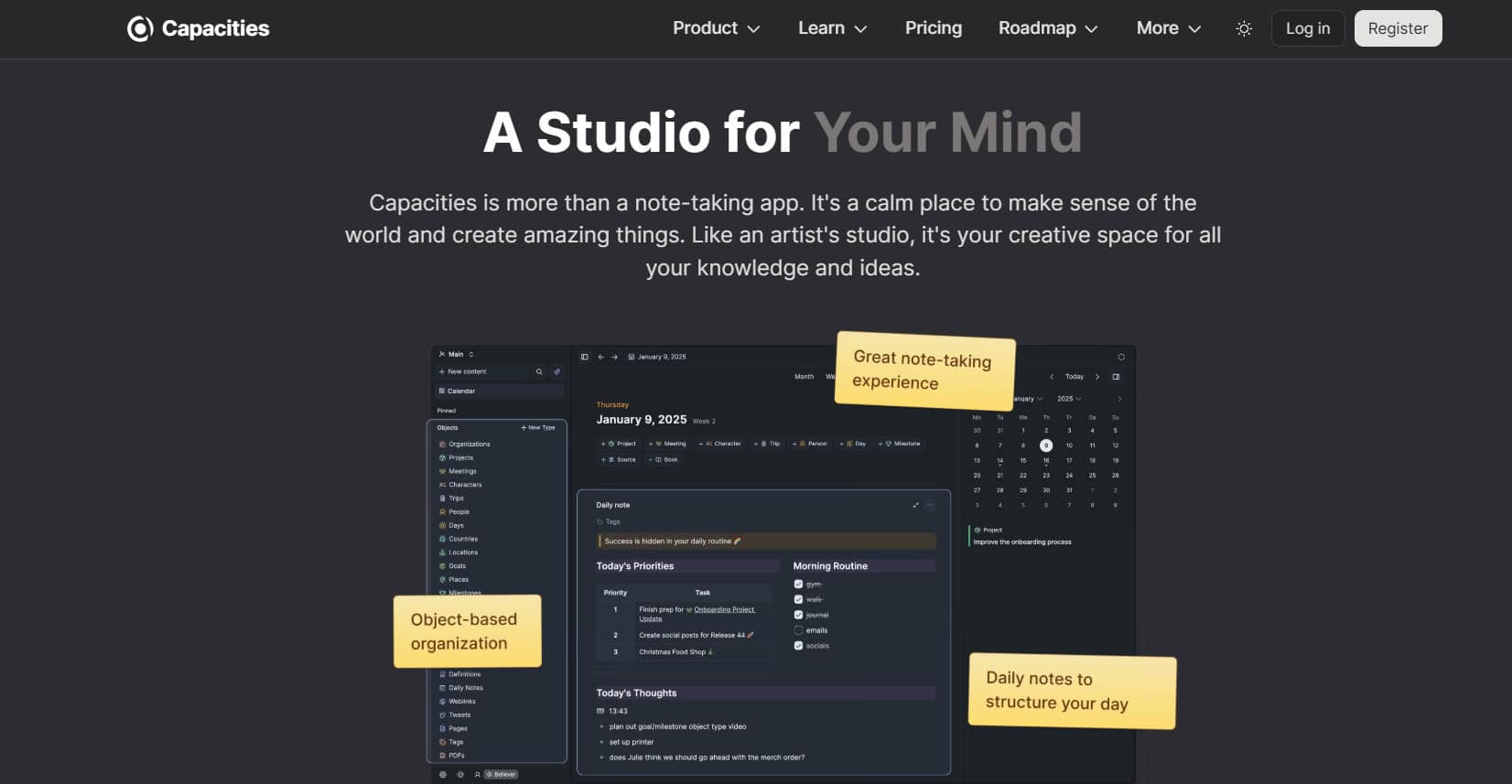
Capacities brings a creative spin to digital note-taking. So if you’re a visual learner, you’re in heaven! Instead of making every note just text, you get personalized object types like books, people, and projects. The daily notes feature also shows past relevant entries to whatever you’re working on, and studio mode lets you group related items. If rich media is your thing, Capacities will feel right at home.
Pricing: Free-$15/month.
2. Notion

Notion stands out as the ultimate team workspace, making real-time collaboration easy and fun. Everyone can jump onto the same page, edit together, leave comments, and assign tasks. You can create fancy databases shown as tables, boards, or galleries to keep track of just about anything. Notion’s AI definitely makes the boring stuff fun!
Pricing: Free-$18/user/month.
3. AnyType

AnyType puts your privacy first by keeping all your data locally or synced securely through end-to-end encryption. It organizes notes as linked objects like books, projects, or contacts. This makes managing multimedia content like videos and PDFs super easy. It’s built for users who want note-taking without sacrificing control of their data, but it’s not designed for team use yet.
Pricing: Free.
4. Logseq

Logseq is all about making outlining feel natural. Every bullet can turn into its own note, and you can easily map how ideas connect using the graph view. It also works great for daily journaling and flashcards if you’re studying. Journal-style notes put each day’s work on a canvas, and flashcards are built in for students who want to study or review. Everything stays local, so your notes are private.
5. Joplin
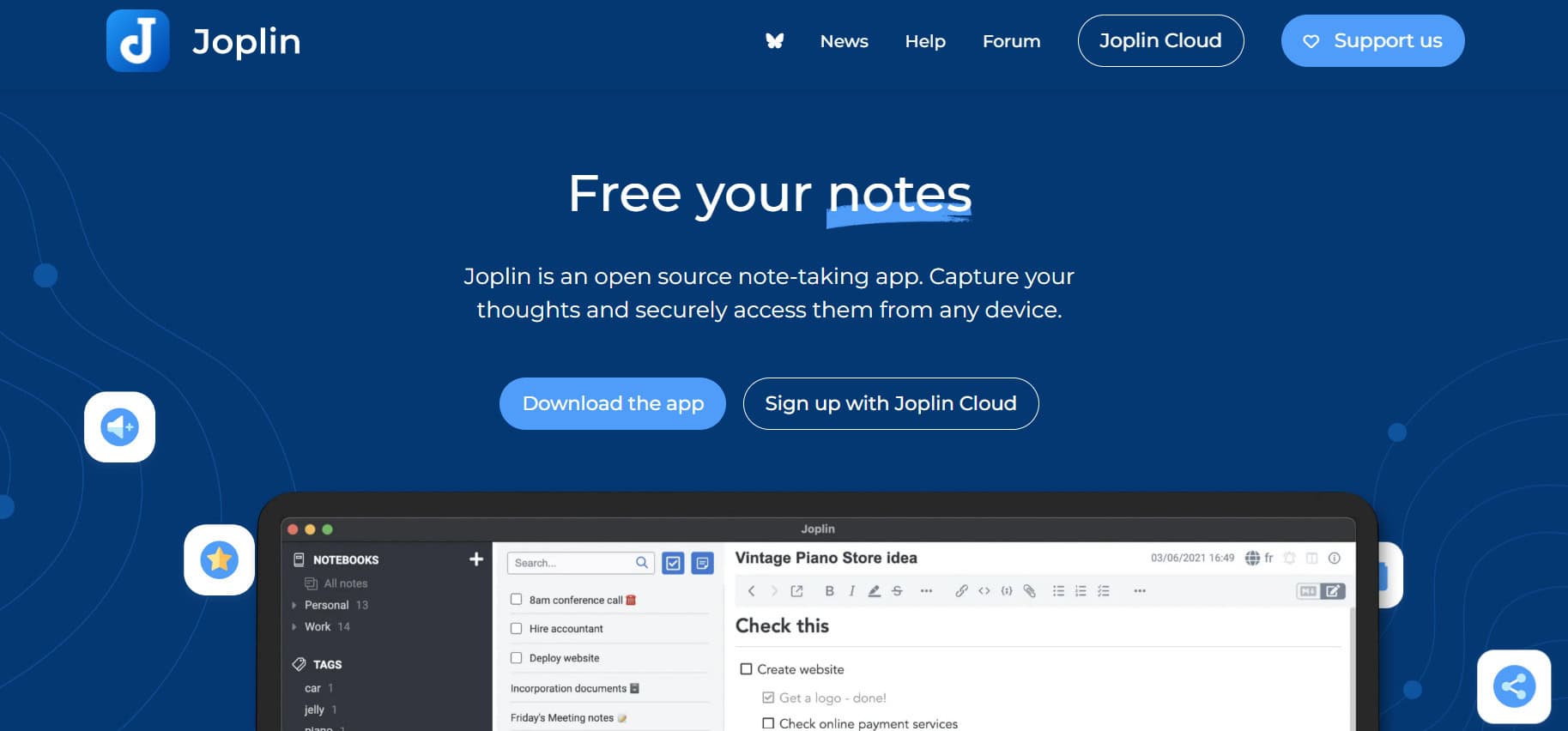
Joplin keeps things simple with an open-source, encrypted note app. Your notes sync securely across devices, and it supports tagging and notebooks to stay organized. Every note and notebook is end-to-end encrypted, and you choose where your data lives, from Dropbox and OneDrive to self-hosted servers. Great for anyone who cares about privacy and needs reliable, basic note-taking without distractions.
Pricing: Free
6. Tana

Tana stands out for its AI integration and unique approach to organizing notes. It’s all about supertags. Add one to a note, unlock workflows, custom fields, and connections tailored to that tag. Its voice capture is ideal for people who think out loud or want meeting notes processed automatically, saving time and effort. The platform is cloud-based and proprietary, but regular updates make it one of the best Obsidian open source alternatives.
Pricing: Free up to 20,000 notes, Premium $8/month for unlimited notes.
7. AppFlowy
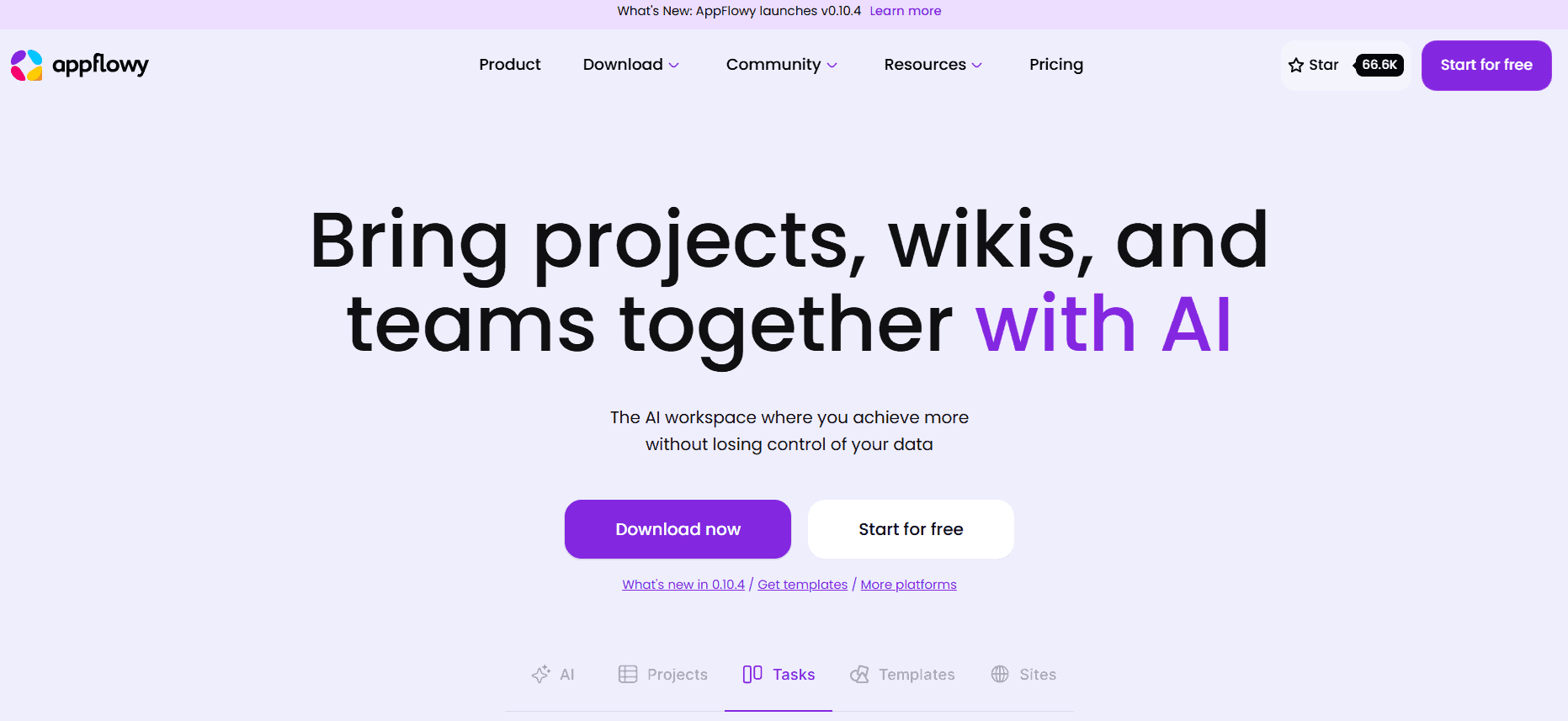
AppFlowy feels like Notion, but lets you keep everything stored locally. It offers databases, boards, and pages you control, with templates to work easy and fast. You can sync across devices yourself or pay for cloud sync. Great if you want privacy.
Pricing: Free and open source. Optional AppFlowy Cloud for sync.
8. NotePlan

NotePlan makes daily planning natural by blending your notes, tasks, and calendar into one tidy app. It is ideal for Mac and iOS fans. You get daily pages with tasks and events right alongside your notes. Markdown is there if you want it, and unfinished tasks roll over automatically.
Pricing: $15/month or $150/year (Mac/iOS/iPad app access), free trial available.
9. Evernote
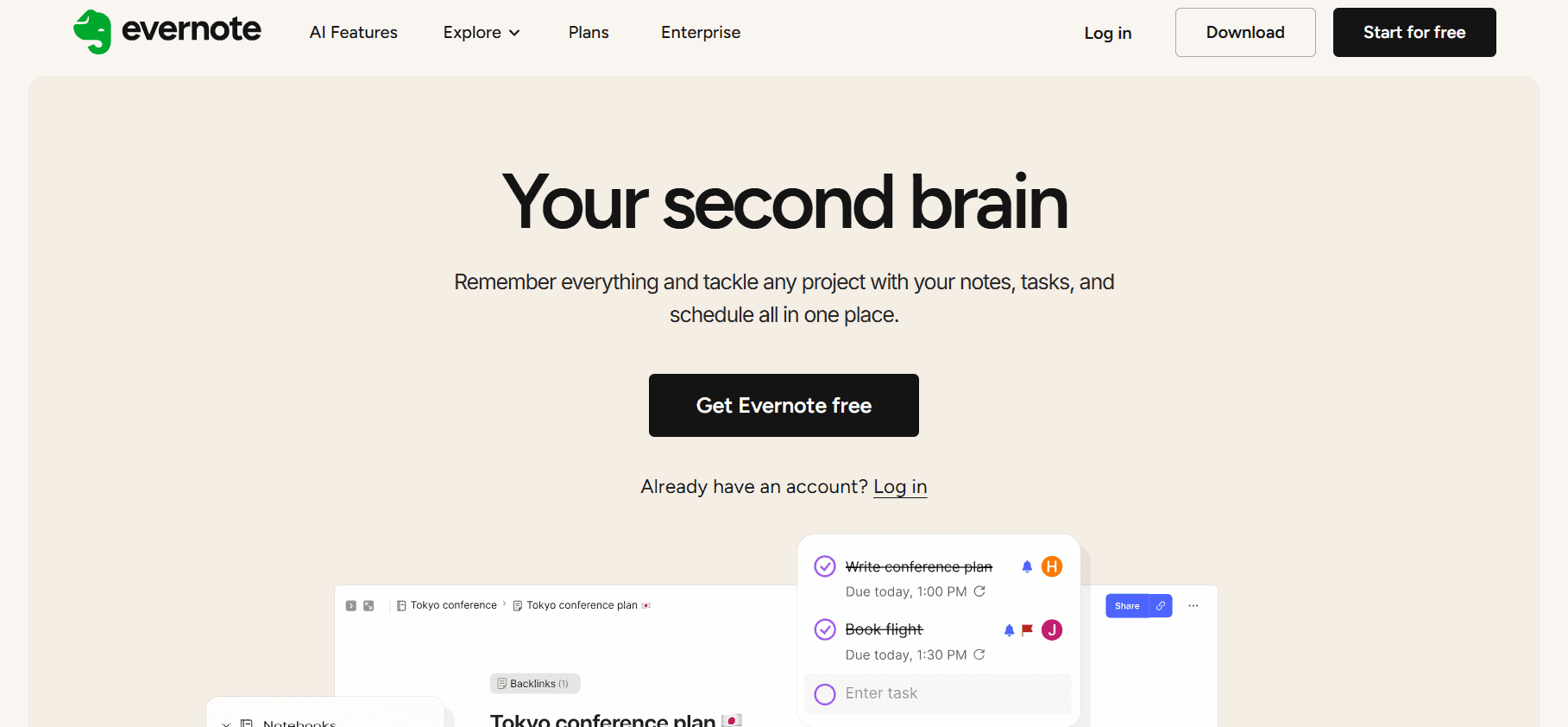
Evernote is a classic for note-taking and clipping things from the web. It syncs across devices and has some AI to clean up and organize your notes if you pay for it. Templates abound for various workflows, while AI in paid plans organizes and tidies up your notes automatically. It isn’t flashy, but for sync and easy content capture, it’s down as the best Obsidian open source alternatives.
Pricing: Free (limited), $11/month Personal, $15/month Professional, $17/month Teams.
10. OneNote

OneNote fits right into the Microsoft world and that’s why it’s a public favorite. The platform offers a freeform canvas for notes to type, draw, or paste anywhere you want on the page. This page can be edited by multiple people. Syncing through OneDrive is reliable, and all features come free, with more included in Office 365.
Pricing: Free for personal use, included with Microsoft 365 subscriptions.
11. AFFiNE
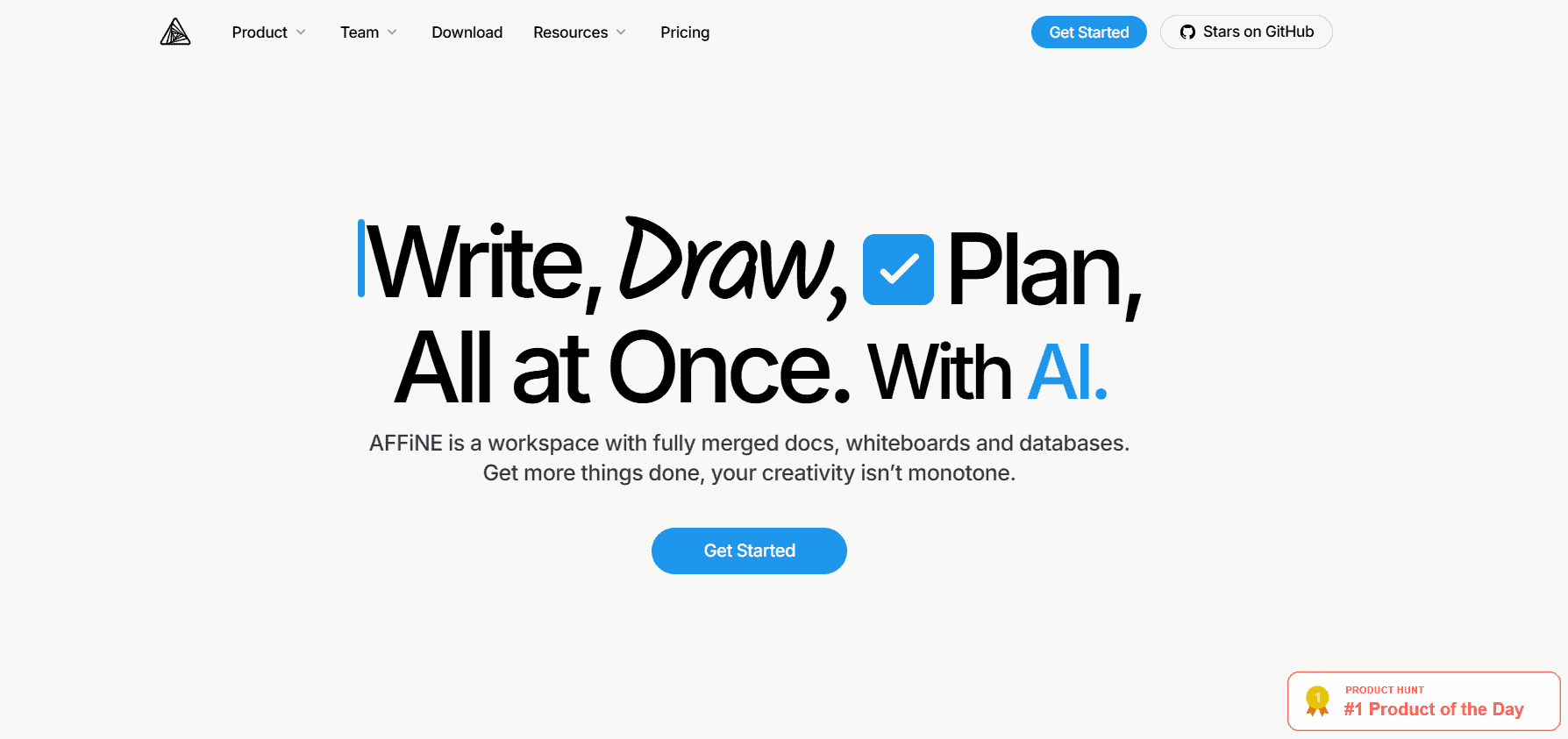
AFFiNE aims to be the open source version of Notion, and it’s pretty close and one of the best Obsidian alternatives. It offers blocks, kanban boards, and lots of organizational features. It’s perfect if you want to build complex systems and have lots of options for how you organize your information. It can feel overwhelming if you just want a simple note app, but it really shines for deep users.
Pricing: Free and open-source, with no cost involved.
12. DeepNotes

DeepNotes elevates note-taking with a visual, card-based approach. You can zoom in and out, move cards around, and put ideas inside others. So, a bit like a detective piecing together clues visually! This makes it fantastic for projects, brainstorming, or creative writing. Just be ready to spend some time organizing your cards because it can get a bit slow for quick daily notes.
Pricing: Free plan. Team plan $39 per editor/month billed yearly
13. Tangent Notes
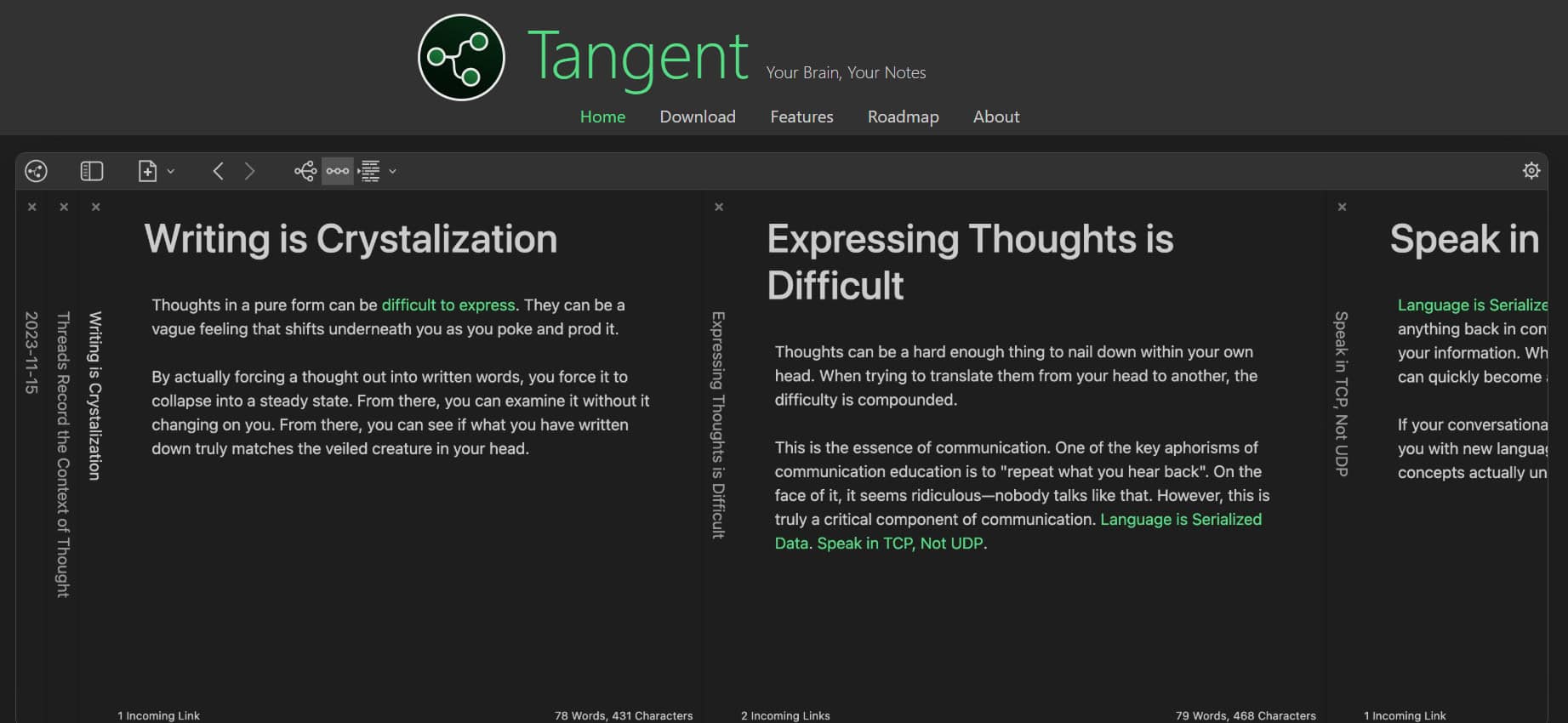
Tangent Notes lets your ideas grow like branches on a tree. No, we are not kidding! Instead of folders or files, you have threaded notes that expand into related sub-notes, which lets you see how your thoughts connect as you work. The sliding panels help you follow your thought process visually. It’s handy for big brainstorming sessions or complex project planning.
Pricing: Free
14. Reor

Reor is a new but promising smart AI search that understands what your notes mean. You can find exactly the right note just by describing what you remember. So no need to even search keywords. While it’s still early and a bit rough around the edges, the AI search is impressive and shows a lot of promise.
Pricing: Free, with ongoing development and future plans for premium features.
15. Standard Notes
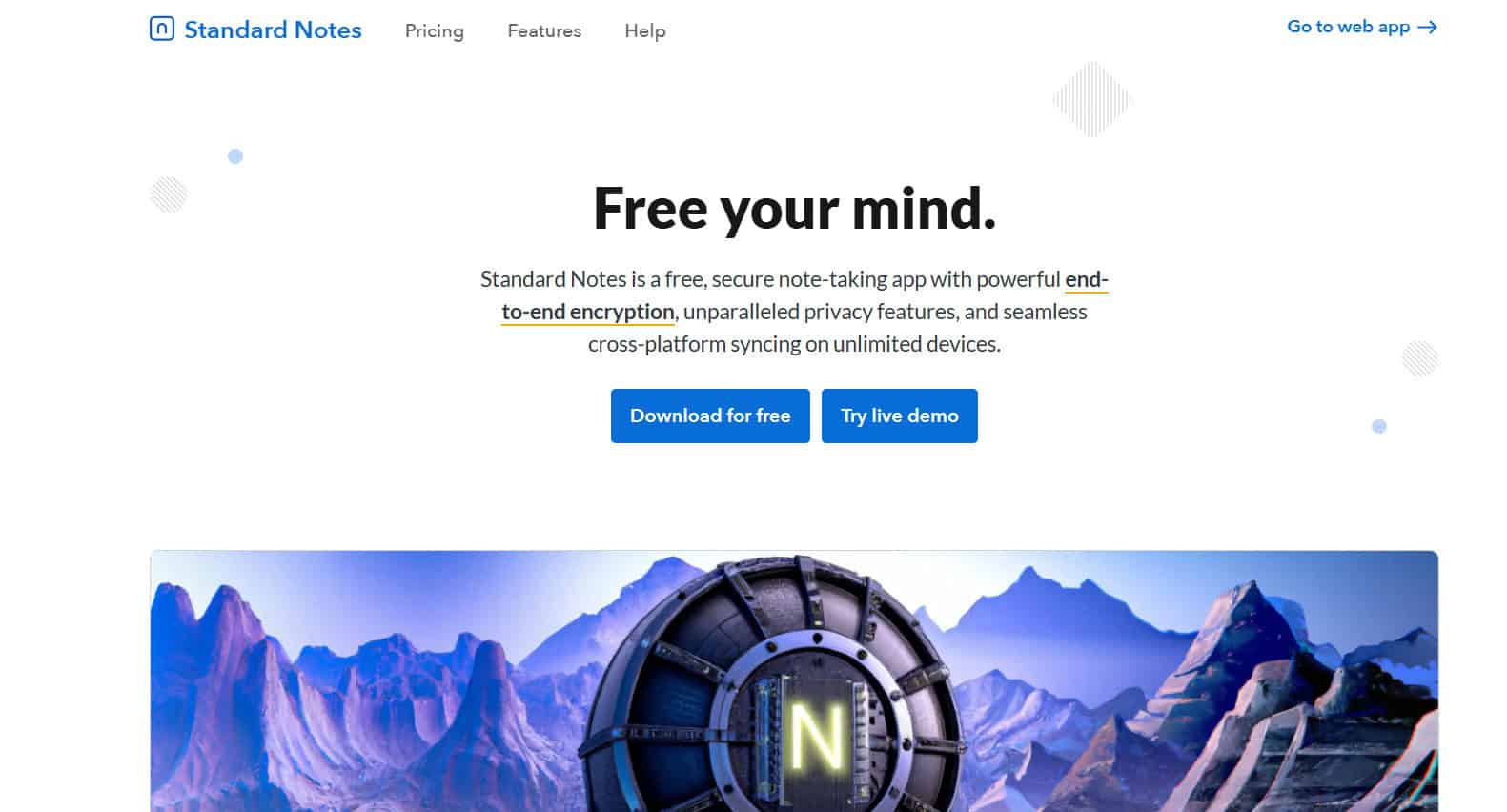
Standard Notes keeps things clean by offering just a simple place to write. You get a left sidebar with your notes and a plain editor on the right. So, no distractions or flashy features. It’s perfect if you want a secure, encrypted space to write daily thoughts or journal. However, if you want to link notes or build complex knowledge, you might find it a bit too basic.
Pricing: Free plan, along with Standard Plus at $63 per year and Productivity Plus at $84 per year.
Also Read: 30+ Best Browser Games You Must Play
Now that you have seen the best Obsidian open source alternatives, we hope your doubts are cleared with the methods shown in this guide. Keep visiting TechCult to know the latest tech walkarounds. If you have any queries or suggestions, do reach out to us in the comment section.